May 7, 2026
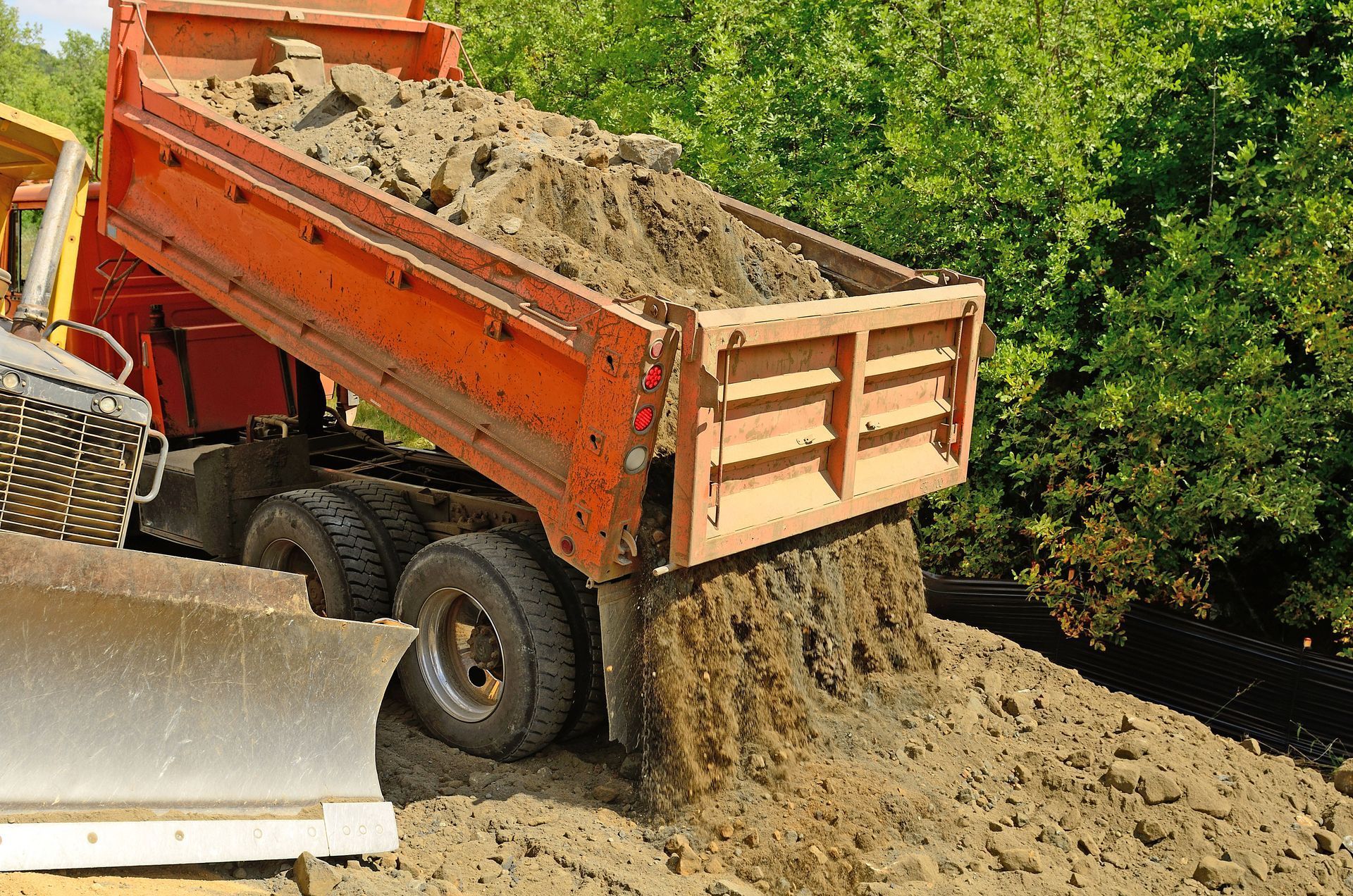
In construction and landscaping projects, hauling fill dirt is an essential step that dictates the long-term stability of the entire site. Whether you are leveling ground, creating a base, or filling in spaces, hiring the right service is critical for ensuring efficiency, safety, and cost-effectiveness. This phase serves as the literal foundation for everything that follows, meaning any errors made during the initial earthwork can manifest as costly structural failures years down the road.
1. Determine Project Scope and Soil Needs
Understanding the volume of fill dirt required is a fundamental necessity for project success. Incorrect estimates often lead to excess costs or significant delays. Hiring a knowledgeable fill dirt hauling service helps with these precise calculations. Not all fill dirt is created equal because different projects demand different soil types. A basic understanding of soil properties and how they relate to your project can prevent unforeseen issues. Soil stability is extremely important.
Project timelines significantly impact the contracting process for heavy machinery. Establishing clear deadlines and durations helps align the hauling schedule accordingly. This planning reduces the risk of construction delays, which can add unnecessary project expenses.The site’s accessibility can greatly influence the logistics of your dirt delivery. Narrow roads, difficult terrains, or urban restrictions might affect delivery. Assessing these challenges early prepares you to choose your hauling provider carefully. Adhering to local environmental regulations is essential when transporting earth. For example, according to Lawn Love, property owners are required to obtain a specific grading permit if they disturb an area larger than 5,000 square feet.
2. Research Potential Hauling Companies Thoroughly
Researching a company's reputation before hiring its professional services is a prudent step. Customer reviews and testimonials can provide invaluable insights into their reliability and quality. Look beyond promotional material to consider various independent reviews.Experience and expertise in the industry are vital criteria when selecting a reliable fill dirt hauling service. Companies with a proven track record in similar projects are more likely to meet your specific needs effectively.
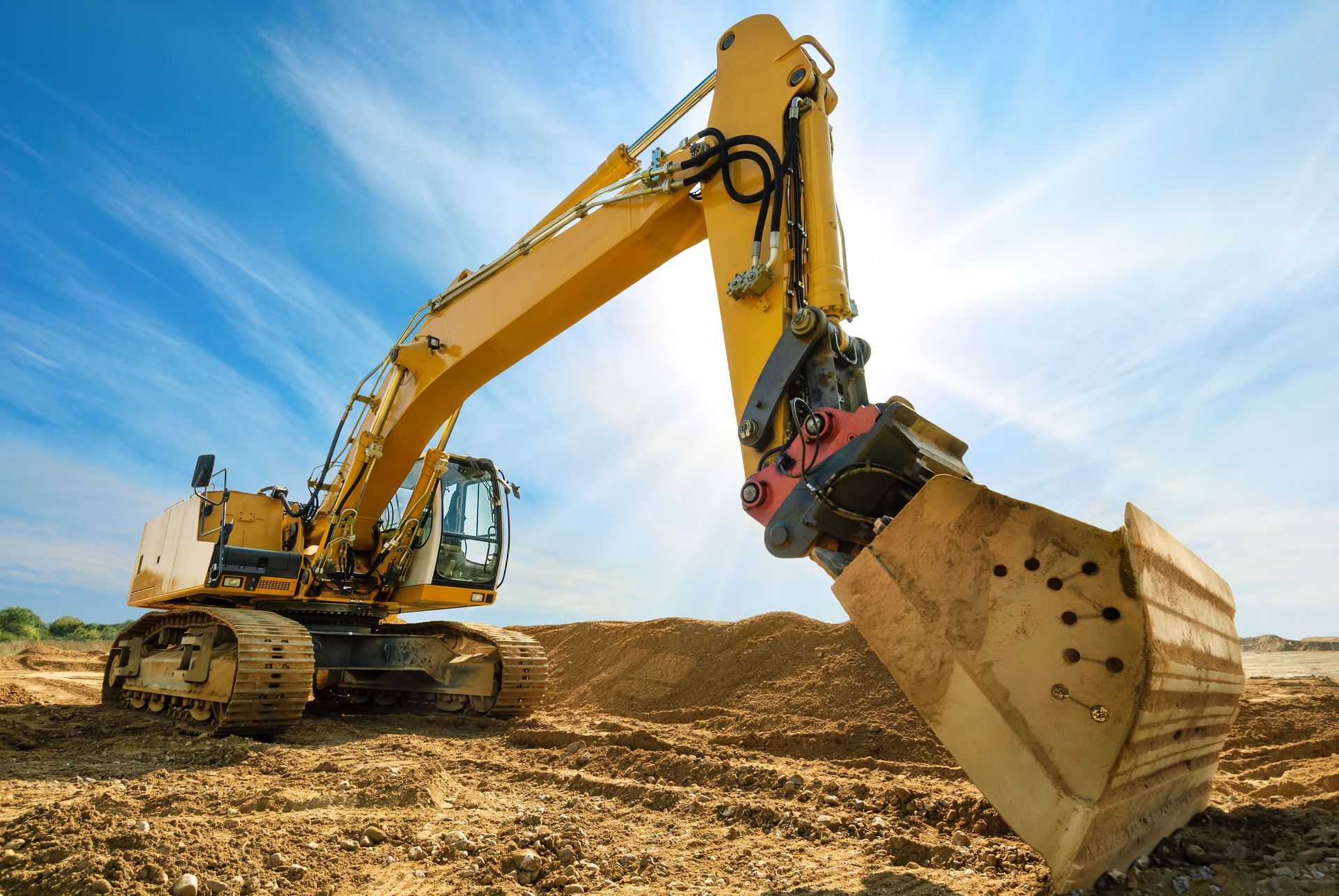
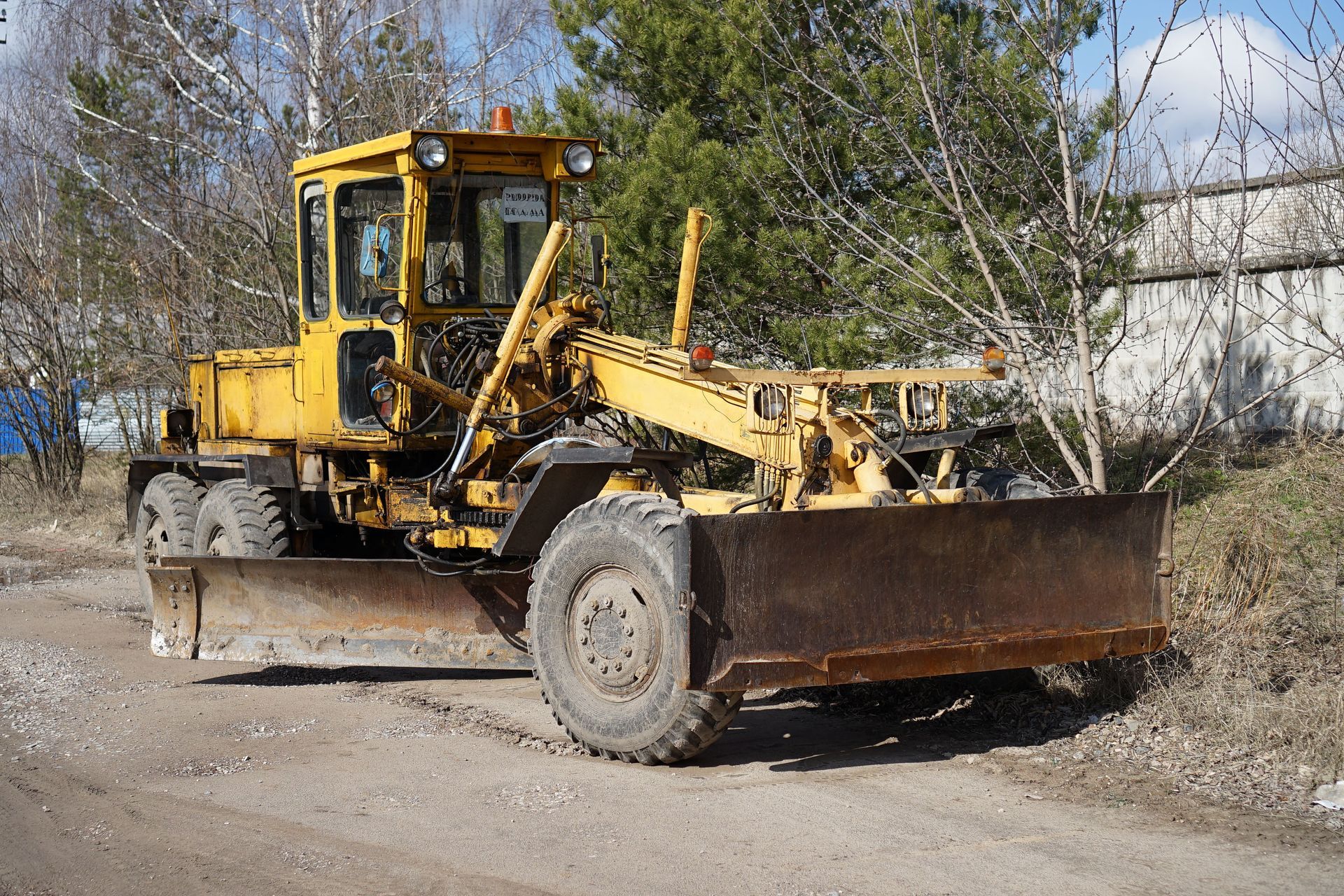
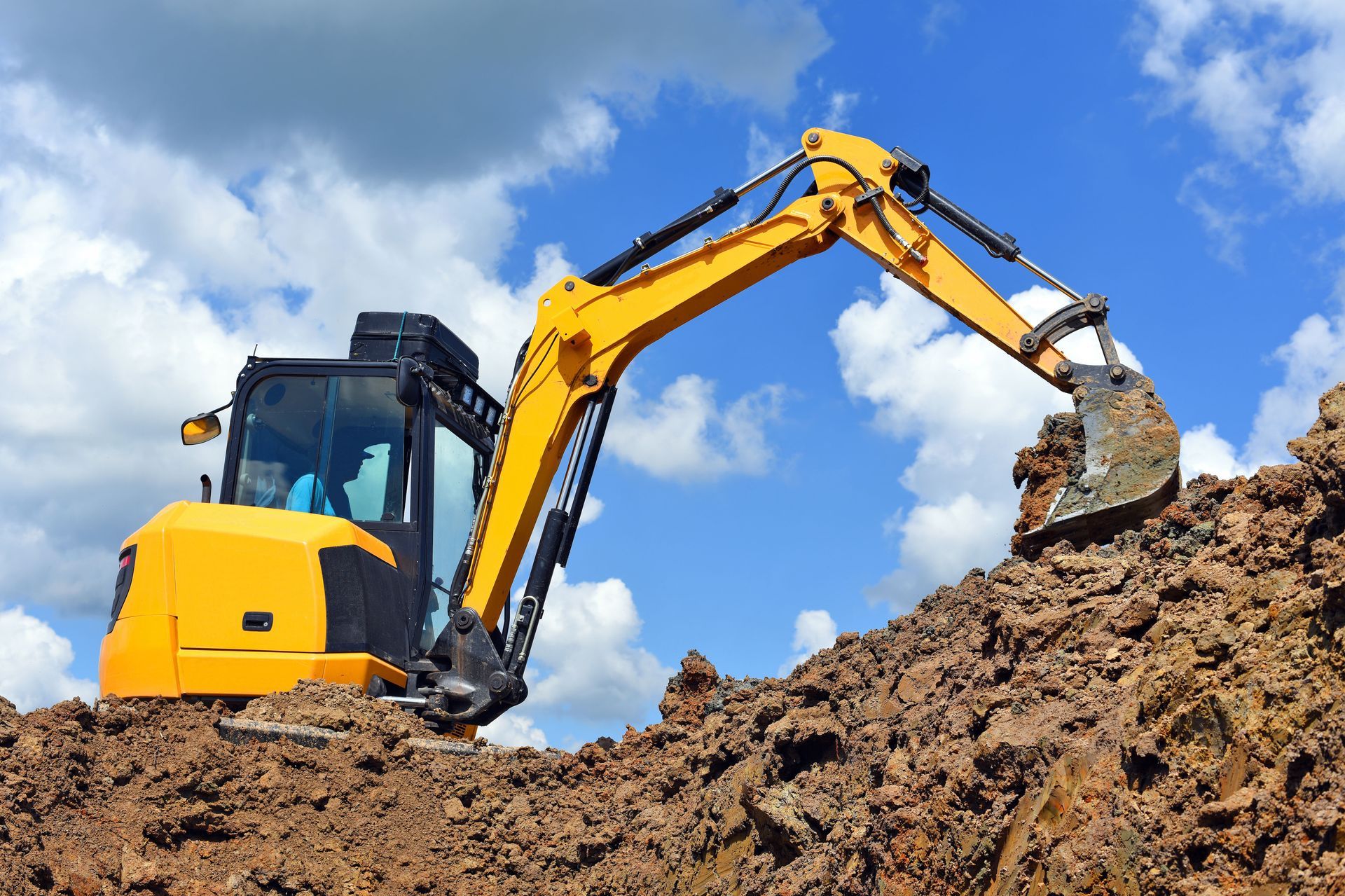
A company’s equipment quality and variety can directly impact the efficiency of your project. Modern, well-maintained machinery minimizes downtime and enhances performance. Diverse equipment options allow the provider to tailor solutions to your unique specifics. Understanding pricing structures and service inclusions is crucial for effective budgeting. Request detailed quotations from multiple companies to facilitate a comprehensive comparison. Look beyond base prices to consider what each package entails for your site.Hiring a licensed and insured hauling service protects you from potential liabilities. Licensing indicates that the company meets industry standards and regulations. Insurance coverage limits your exposure to accidents and damage during the actual project.
3. Coordinate Site Logistics and Delivery
Timely delivery coordination is essential to maintaining project momentum throughout the build. Aligning the delivery schedule with your broader project timeline minimizes downtime. Establishing a clear timeline with your contractor helps avoid disruptions from conflicts. Route planning and site accessibility are critical for efficient delivery. Identify optimal paths to reduce transit time and avoid roadblocks. Consider traffic patterns and weight restrictions to ensure legality and efficiency for your hauling provider.
Robust communication channels strengthen project coordination efforts between all involved parties. Establish direct and dependable lines of communication with your fill dirt hauling service. Timely updates regarding delivery status or weather issues are essential. Site preparation ensures readiness for an efficient delivery process. Remove obstructions, clear paths, and confirm site stability to optimize delivery logistics. Advance preparation reduces the risk of delays and operational inefficiencies during dirt placement. Weather significantly impacts transportation, especially in regions prone to adverse conditions. Regularly monitoring forecasts allows proactive scheduling adjustments to avoid disruptions. Rain, snow, or extreme heat can affect site conditions and general transportation efficiency.
4. Manage Project Costs and Budget
Creating a comprehensive budget is critical for project cost management. Factor in all potential expenses, including permits, labor, and unforeseen issues. This proactive approach delivers a realistic financial forecast that guides the project's decisions. Project budgeting must consider potential extra fees and unforeseen costs. Overtime charges, additional equipment rentals, or regulatory compliance fees can arise unexpectedly. Transparency with your fill dirt hauling service regarding potential overages mitigates financial surprises.
Clear payment terms are an integral part of maintaining a smooth transactional relationship. From deposit requirements to invoicing schedules, each detail should be outlined and agreed upon. Discussing and formalizing payment methods avoids future misunderstandings. Ensuring a balanced alignment between cost and benefit is crucial for project profitability. This requires a detailed consideration of the value each service aspect offers relative to its cost. Value assessments often reveal discretionary elements. Exploring opportunities for cost reductions through discounts or promotional offers can enhance project viability. Regular service providers often extend discounts to repeat customers or offer bundled service incentives. Being proactive in questioning offers leads to savings.
5. Maintain Quality Control and Assurance
Inspection of fill dirt quality is a fundamental quality assurance step. Verifying that material meets required specifications secures structural integrity and project success. Consider engaging with third-party testing labs for an unbiased evaluation of properties. On-site inspections complement initial material assessments, maintaining ongoing quality assurance. Regular site visits by a qualified inspector guarantee continued adherence to quality standards. Documenting and addressing deviations prevents complications from escalating during the project lifecycle.
Discussing and formalizing guarantee and warranty terms secures service delivery confidence. Such agreements enforce the commitment to high standards. They specify the scope of coverage, detailing recourse in the case of deliverables not meeting expectations. A structured feedback and resolution process fosters continuous improvement and supports quality assurance. Encouraging constructive criticism enhances relationships and delivers long-term benefits. Formalizing procedures for issue reporting and resolution expedites response times for projects. Encouraging a culture of continuous improvement elevates the standard of your fill dirt hauling service. Constructive feedback from inspections and post-project reviews drives enhancements. Service providers who embrace change and optimization remain highly competitive.
6. Prioritize Site Safety and Risks
Ensuring safety protocols are in place decreases overall project risk and enhances operational integrity. Mandatory adherence to industry safety standards must be observed, irrespective of scope. Using a professional fill dirt hauling service ensures compliance. Regular risk assessments identify potential hazards before they materialize, reducing their impact on projects. Scheduling systematic evaluations involving multidisciplinary teams encourages comprehensive analysis. Utilizing frameworks to standardize risk measurement and prioritization ensures consistency across the site.
Emergency preparedness plans counteract unpredictable scenarios that threaten project timelines and safety. Documenting a range of response procedures enables quick decision-making when conditions demand it. Skills training, regular drills, and communication strategies fortify readiness. Operator qualification verification ensures that all involved parties meet training requirements. Ensuring operators possess the necessary licenses and certifications authenticates their competency. Regular mandatory refresher courses elevate proficiency levels, sustaining a performance edge for safety. Tracking safety incidents equips project administrators with actionable insights that enhance risk management. Safety data compilation informs safety strategy refinement. Transparent incident reporting mechanisms encourage correct procedures without fear of retribution. Analyzing incidents facilitates corrective actions.
Choosing the right provider is a key decision that can significantly impact your project. By considering these factors, you can make an informed choice that ensures efficiency, safety, and cost-effectiveness for your construction venture. If you are ready to get started on your next grading or clearing project today, please reach out to us at Palmetto Clearing & Grading LLC. We will help you with your project with efficiency and transparency.