April 11, 2026
By understanding the purpose behind proper site work, property owners and developers can make informed decisions that enhance property readiness and valuation. Grading is not merely about aesthetics but involves technical intricacies that can significantly influence a property's utilitarian and fiscal dimensions. As such, knowledge of local grading principles is indispensable for anyone involved in property development or ownership.
Definition And Basics
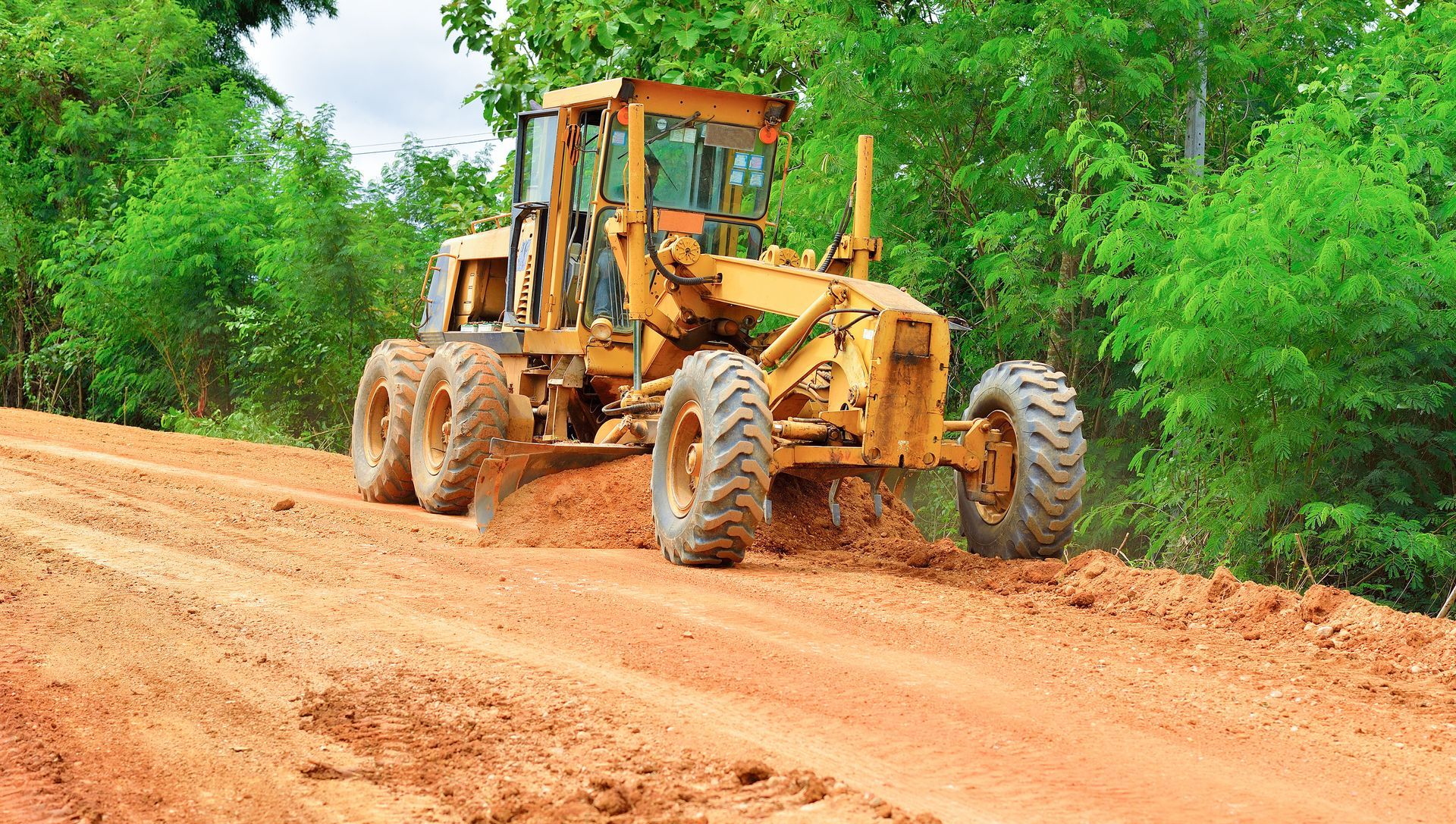
Local grading refers to the process of leveling or sloping the ground to manage drainage and prepare a site for construction. It is an essential preliminary step that influences the longevity and safety of structures built on the land. A clear understanding of grading is imperative, as improper grading can lead to issues like flooding, erosion, or structural instability. One must consider the soil type, natural slopes, and existing vegetation to determine the best grading strategies. Successful grading requires precision in planning, as small errors can lead to significant repercussions over time.
The Role Of Topography
The topography plays a crucial role in determining the grading requirements of a property. The natural lay of the land influences water movement, structural load, and potential landscaping requirements. Accurate topographical assessments allow developers to design effective grading plans. Alterations to the topography without thoughtful local grading can lead to unnecessary erosion or deposition, affecting the ecological balance. As such, understanding natural topography is essential for effective grading strategies that cater to specific property needs.
Common Grading Techniques
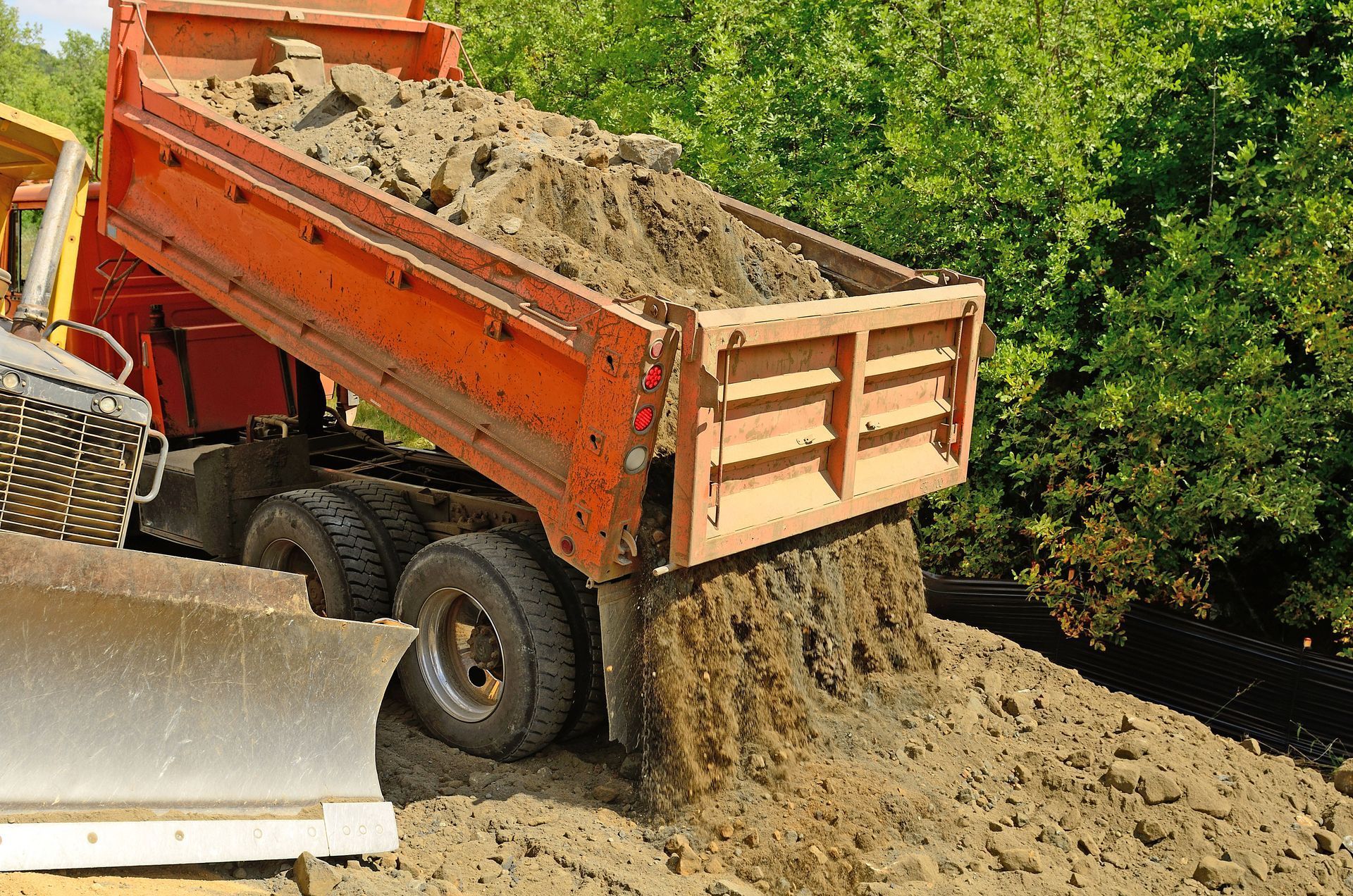
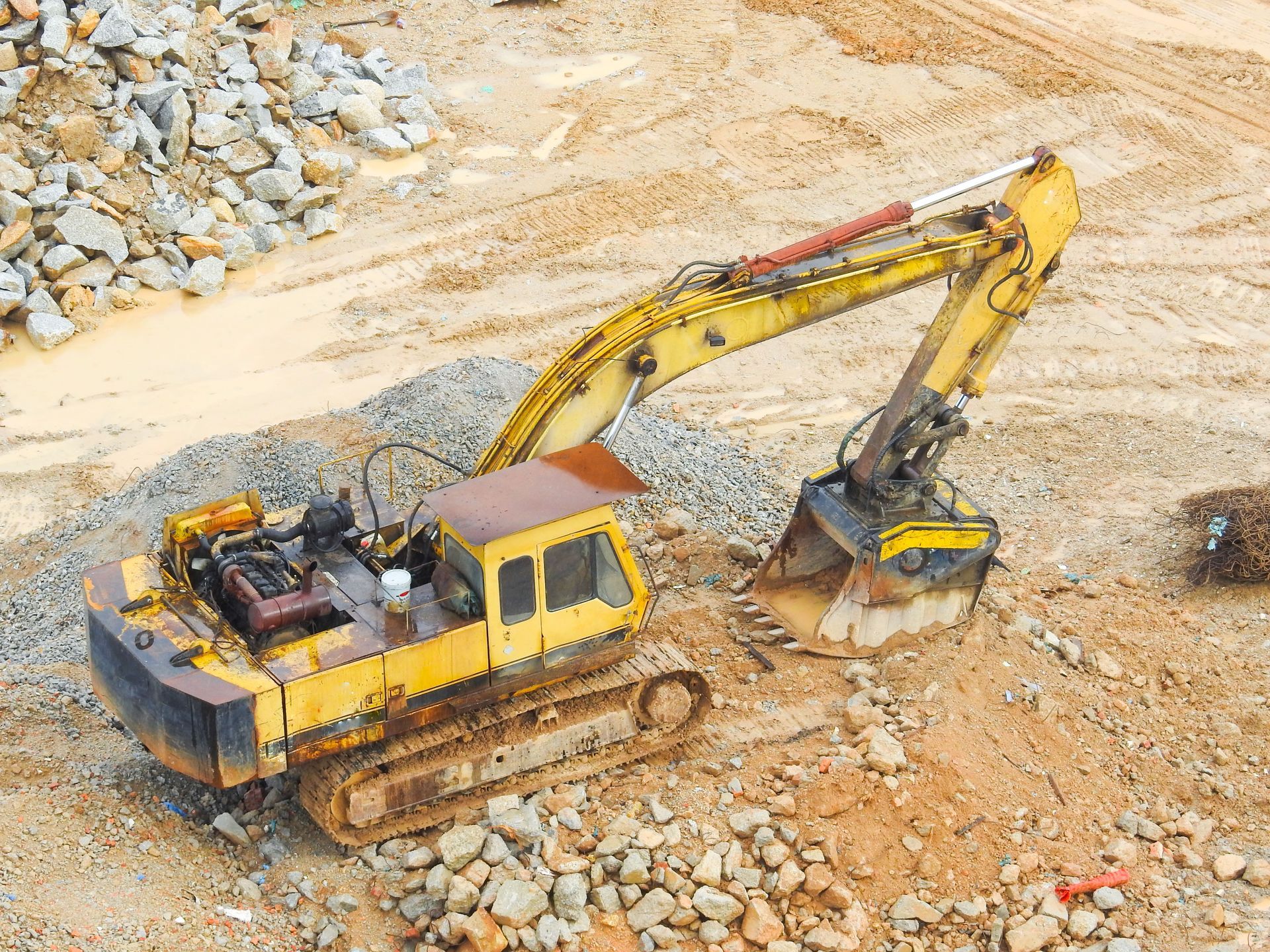
Several techniques are employed in grading, including cut and fill, as well as terracing. The cut and fill method involves removing earth from high points and using it to fill low areas to create a level surface. Terracing is used on steep slopes to create level areas, reducing erosion risks. Implementing these techniques requires an understanding of the local soil type and climate, which significantly affect the grading process. According to Lawn Love, most yard grading projects last between two or three days to one week, depending on the soil conditions and area size.
Importance Of Accurate Grading Plans
Precise grading plans are crucial to avoid costly future repairs and support optimal water drainage. These plans serve as blueprints that guide the grading process, keeping each step in sync with local environmental and legal standards. Utilizing advanced technology such as GPS can aid in creating detailed and accurate grading plans. Proper planning can mitigate risks associated with improper water flow, which can lead to flooding and erosion problems. In the absence of a solid grading plan, local grading work is likely to face unexpected challenges and increased costs.
Impact On Property Development
Proper grading directly influences the development potential of a property. It sets the foundation for all future construction activities, impacting everything from drainage systems to landscaping. Developers often encounter resistance from challenging topography that can be mitigated through effective grading techniques. Moreover, accurate grading contributes to the safety and stability of the built environment, enhancing overall property value. Thus, the initial investment in thorough local grading pays off with reduced construction complications and longer-lasting infrastructure.
Improved Drainage And Water Management
One of the chief benefits of proper grading is improved drainage and efficient water management. This involves directing water away from structures to prevent flooding and water damage. Effective grading reduces the risk of erosion and maintains the integrity of building foundations. By shaping the land correctly, property owners can avoid expensive repairs related to water from regular precipitation and unexpected storms. Properly managed drainage through local grading also supports healthy plant growth, contributing to more appealing landscapes.
Enhanced Property Stability And Safety
Proper grading enhances the stability and safety of structures by providing a solid foundation. A well-graded site is less likely to suffer from issues such as soil subsidence or slope failure. Without adequate grading, structural instability may arise, leading to unsafe conditions for inhabitants and increased liability risks. Grading is a crucial step to prevent these issues, aiding in the protection of the property and its occupants. Consequently, investing in local grading is akin to investing in the lifelong safety of the property.
Increased Aesthetic Appeal
Beyond functionality, grading contributes to the aesthetic appeal of a property. A skillfully graded landscape creates visually appealing, level lawns and harmonious transitions between various land features. Well-integrated grading can enhance the view and allure of the property, making it more attractive to potential buyers or tenants. Landscaping and grading work hand in hand to transform uneven, unsightly ground into beautiful outdoor spaces. Therefore, local grading positively impacts both immediate visual impressions and long-term property value.
Positive Impact On Property Value
Effective grading significantly boosts property value by enhancing utility, safety, and aesthetics. Properties with proper grading are more attractive in real estate markets, as they require less immediate investment in mitigating foundational and drainage issues. Buyers often assess these factors to estimate potential maintenance costs and future repairs. Hence, a well-graded property shows promise of reduced upkeep expenses, leading to higher valuations. In essence, local grading is an investment that keeps giving back in terms of both function and market value.
Reduction In Long-Term Maintenance Costs
By addressing potential water damage and erosion issues upfront, proper grading reduces long-term maintenance costs. Many property owners face ongoing expenses from poorly managed landscapes, including foundation repairs, drainage fixes, and landscape renovations. Addressing these issues during initial property preparation prevents expensive fixes and supports a smoother ownership experience. The initial costs of professional grading outweigh the cumulative savings on repairs, establishing a healthier equation of cost-efficiency over time. In long-term financial planning, local grading is a building block toward sustainable property ownership.
Understanding Local Zoning Laws
Working through local zoning laws is crucial for any property grading project. These laws dictate what can be done on a property, keeping developments aligned with community standards and environmental regulations. Ignorance of zoning regulations can result in costly penalties and project delays. Property owners should consult local authorities or professionals to confirm their grading plans comply with all zoning laws and ordinances. Ultimately, understanding and following these laws supports a smoother development process.
Permits and Approvals Required For Grading
Obtaining the necessary permits and approvals is a critical step before commencing any grading project. Regulatory bodies may require detailed plans and environmental assessments to confirm that grading does not adversely impact the area. Developers must complete and submit all required documentation well in advance to prevent delays. Engaging with regulatory authorities early can also help identify potential issues in the planning stage. Adhering to permit requirements not only supports compliance but also aids in maintaining good standing with local governance.
Compliance With Environmental Regulations
Compliance with environmental regulations is non-negotiable where grading is concerned. Strict guidelines help prevent grading activities from causing negative environmental impacts, such as soil erosion and habitat destruction. Failure to comply with these standards can result in severe legal penalties, including significant fines and restoration mandates. As such, developers must factor environmental considerations into their grading plans by consulting relevant agencies. Sustainable local grading practices can align development goals with ecological preservation, contributing to responsible property development.
Impact Of Non-Compliance Penalties
Non-compliance with zoning and environmental regulations can have damaging financial and reputational consequences. Penalties often include fines, mandatory restoration work, and legal action, which can substantially delay project timelines. Beyond financial repercussions, non-compliance can harm a developer’s reputation, affecting future projects and relationships with regulatory bodies. Awareness and adherence to all applicable regulations help avoid these pitfalls, fostering a culture of compliance and sustainability. This not only protects the developer but also benefits the broader community.
Local grading is a critical component of property preparation that offers numerous benefits. By carefully considering legal, environmental, and technological factors, stakeholders can keep properties well-prepared for development. Understanding and implementing effective grading strategies can result in safer, more valuable, and environmentally sustainable properties. Investment in high-quality grading confers substantial returns in terms of property value, safety, and maintenance cost reductions. In a rapidly evolving field, it is crucial for developers and property owners to remain informed and adaptable, continuously integrating advancements that optimize grading strategies and outcomes. Contact Palmetto Clearing & Grading LLC today for more.