March 31, 2026
The rising need for efficient hauling services has led to a growing interest in understanding their operations, benefits, and challenges. This article delves into all you should know about hauling services, providing valuable insights into their significance in today's world. Hauling services play a pivotal role in both personal and commercial domains, adapting to diverse needs across the spectrum. As urbanization progresses, the demand for hauling services increases, emphasizing their importance in maintaining efficient logistics and waste management.
Defining and Categorizing Hauling Services
Understanding and Explaining Hauling Services
Hauling services encompass the transportation of goods, waste, or other materials from one location to another. They serve as a backbone for industries such as construction, retail, and waste management. By bridging logistical gaps, these services ensure timely delivery and disposal, ultimately enhancing operational efficiency. From heavy equipment to everyday consumer products, hauling services cater to a wide array of needs and requirements. This ability to adapt and meet diverse demands underscores their critical significance in the modern landscape.
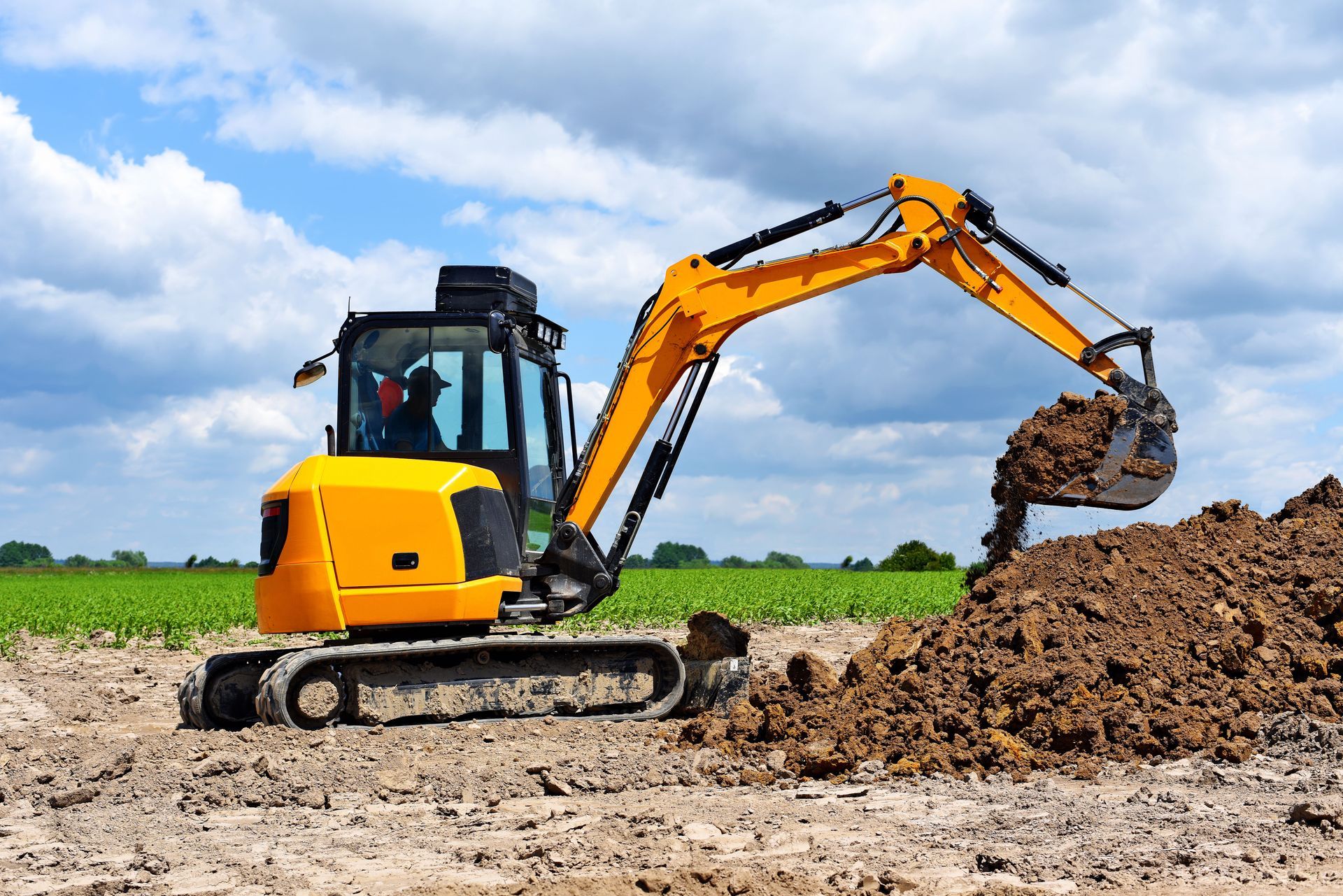
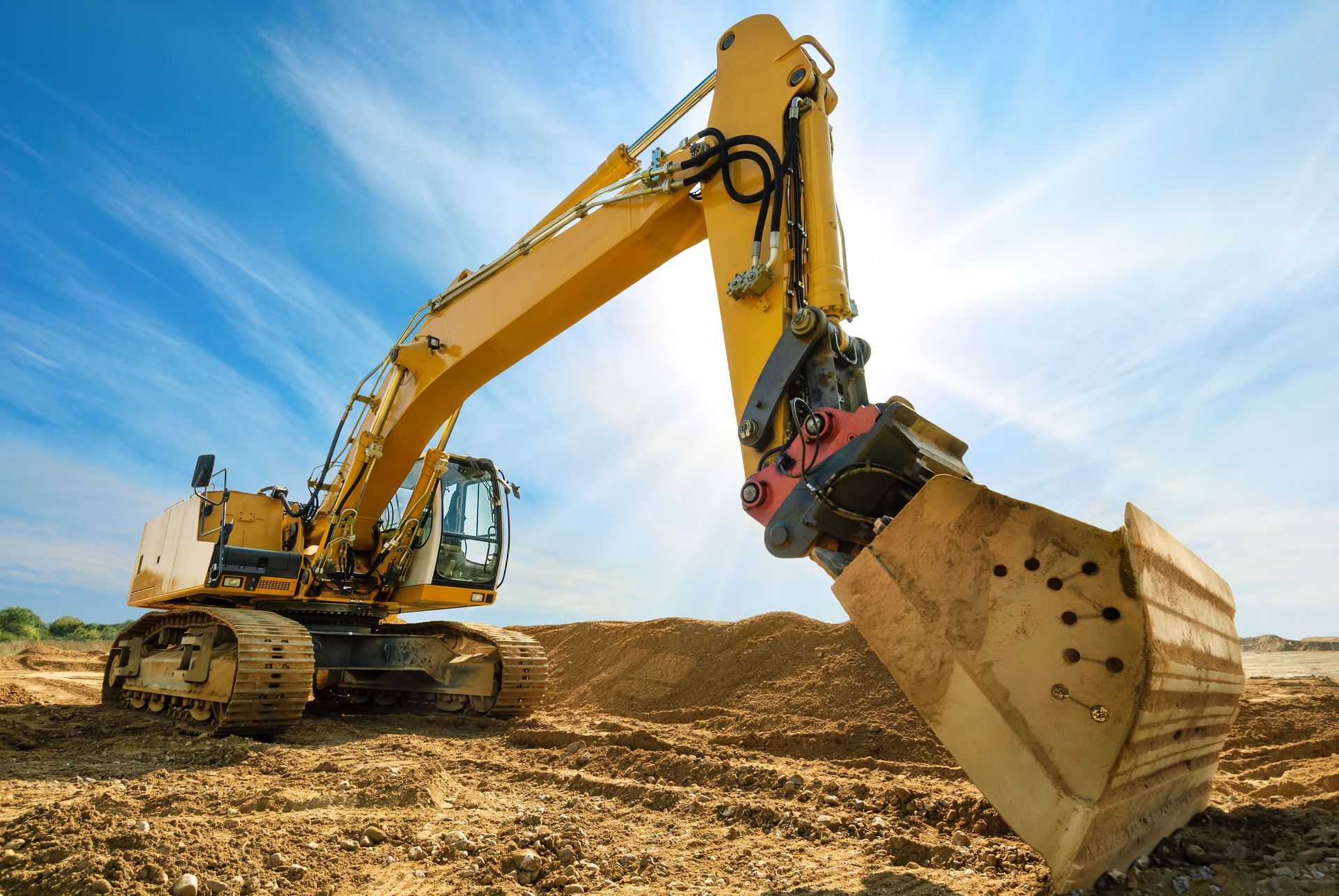
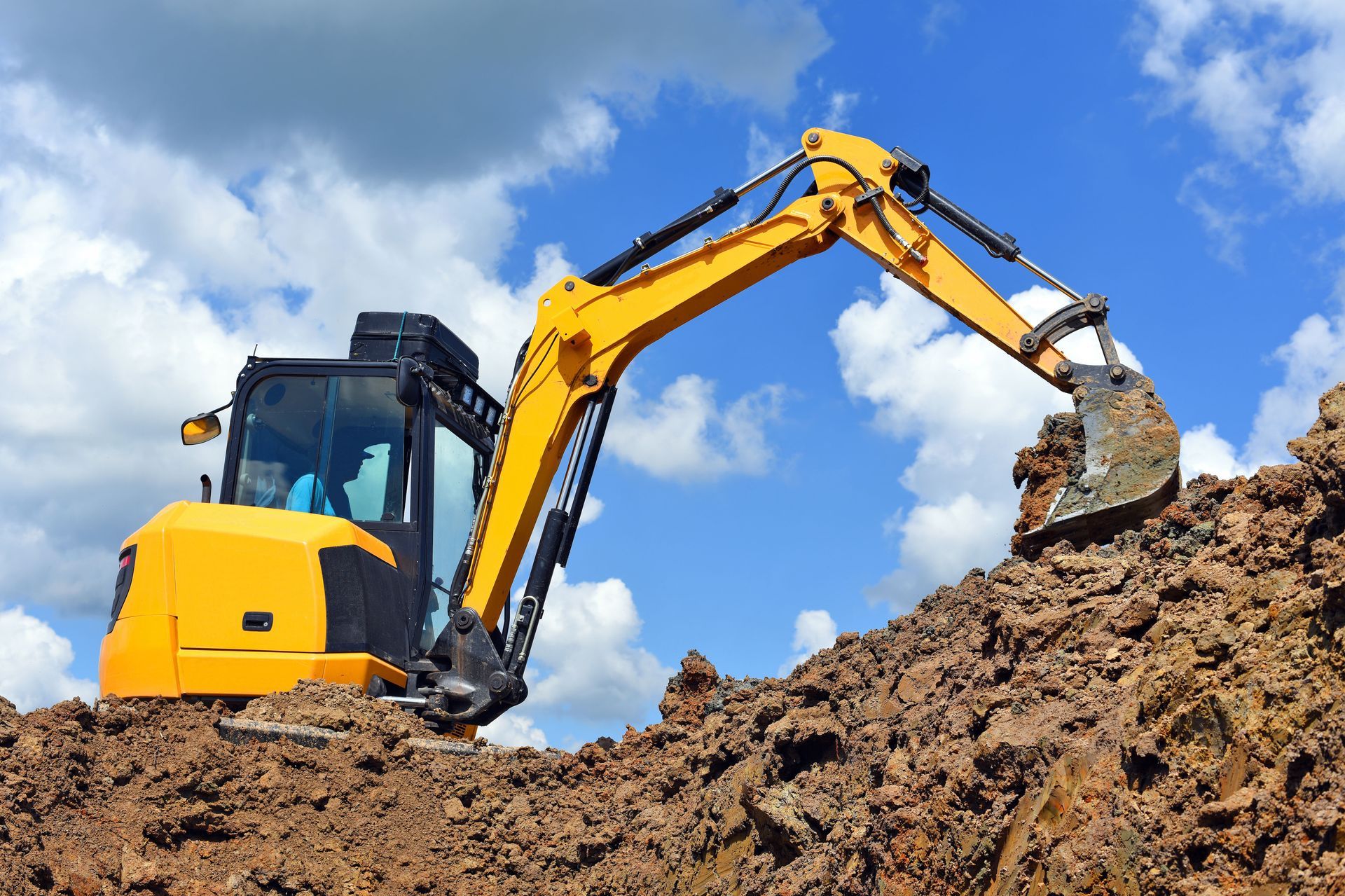
The demand for hauling services extends across various sectors, each with unique requirements. For instance, commercial construction projects rely heavily on these services for material transport. According to ZipDo, excavation contractors derive about 60% of revenue from commercial projects, highlighting the reliance on hauling services. Additionally, residential needs also play a role, with waste management and moving services in constant demand. This versatile applicability has fueled the burgeoning growth of the hauling industry.
Identifying and Handling Types of Goods Transported
The scope of goods transported by hauling services is vast, spanning numerous sectors and industries. Consumer goods, construction materials, agricultural products, and machinery are among the common items transported. The ability to handle a wide variety of goods allows hauling services to adapt to changing market dynamics. Different industries demand customized solutions, prompting hauling services to innovate and evolve constantly. This versatility ensures that the transportation needs of diverse clients are efficiently met.
Distinguishing and Managing Commercial and Residential Hauling
Understanding the distinction between commercial and residential hauling is crucial for selecting the appropriate service. Commercial hauling typically involves larger-scale operations, often requiring heavy equipment. These services cater to industries like construction, manufacturing, and retail, handling substantial volumes and weights. On the other hand, residential hauling addresses individual needs, such as furniture relocation or household waste removal. This differentiation helps service providers and clients align expectations and resources effectively.
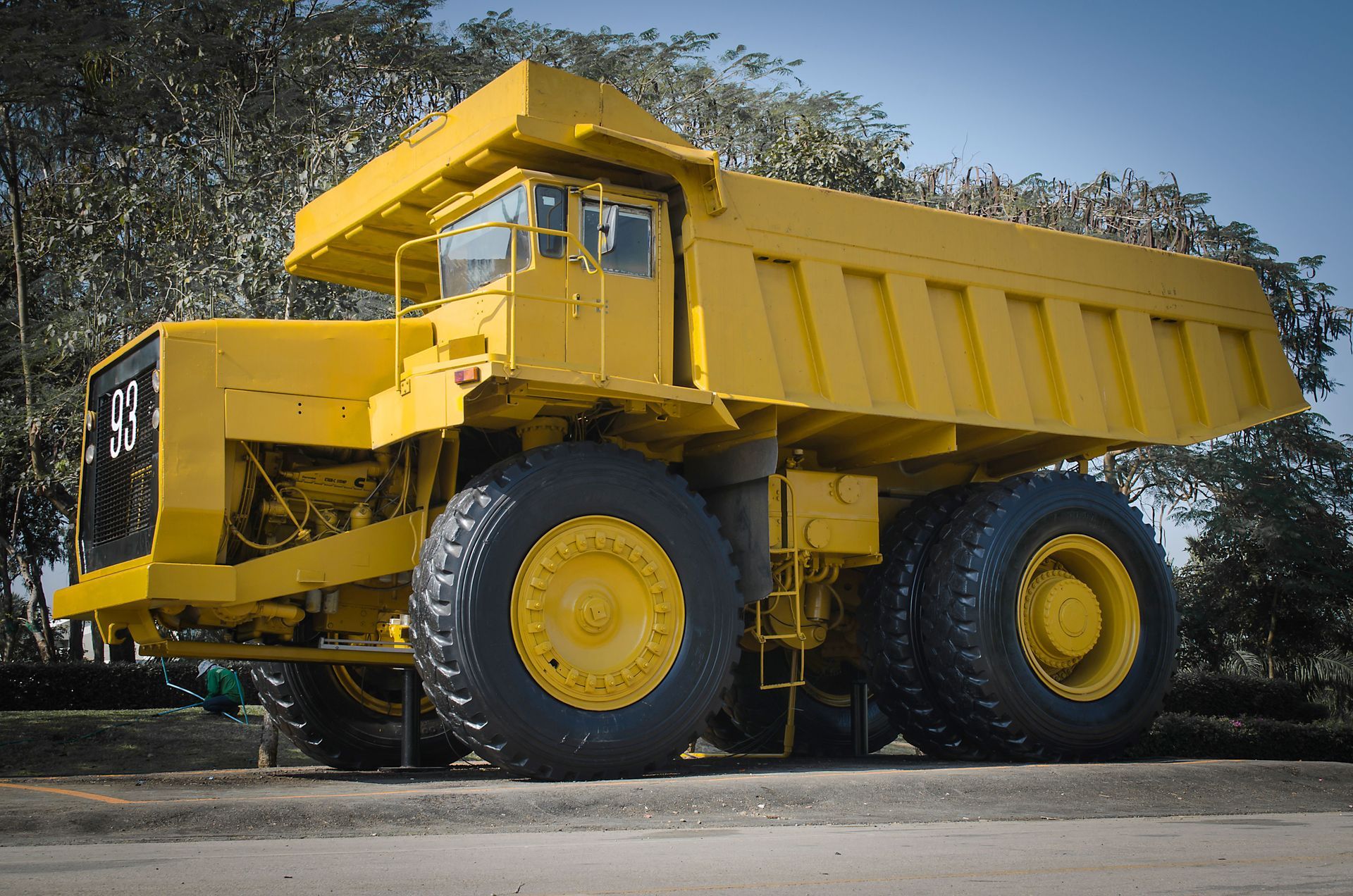
Commercial hauling is characterized by more complex logistical challenges and the requirement for specialized equipment. Projects often involve transporting construction materials, industrial waste, or large machinery. Providers must consider factors such as load size, transportation routes, and environmental regulations. In contrast, residential hauling is more straightforward, usually involving smaller vehicles and shorter distances. Despite this simplicity, efficiency and professionalism remain paramount in delivering quality service.
Providing and Delivering Specialized Hauling Services
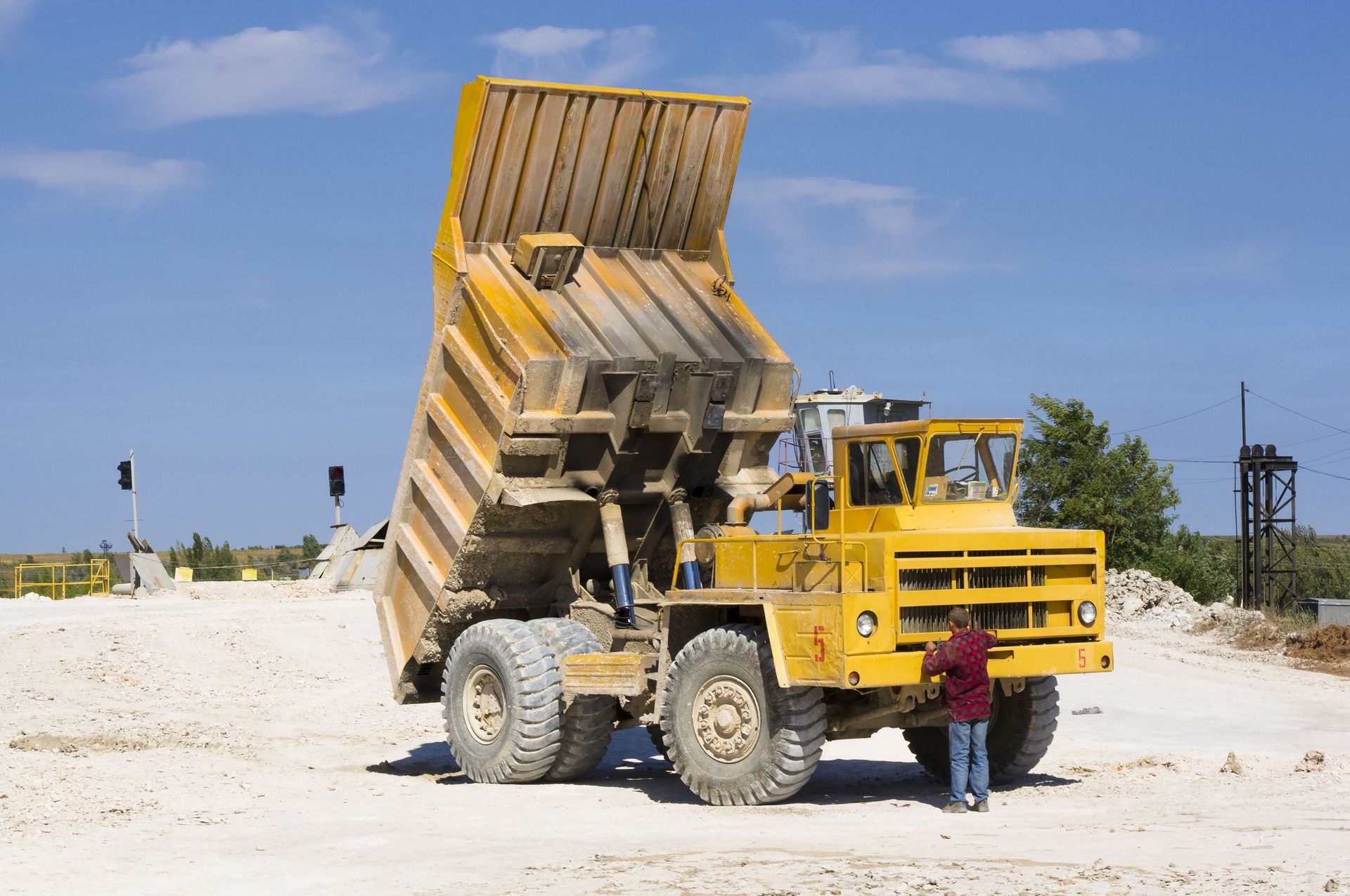
Specialized hauling services address unique transportation needs, offering tailored solutions for specific challenges. Oversized vehicle transport is one such niche service, enabling the movement of large or heavy vehicles across long distances. Debris removal is another essential service, particularly in construction and renovation projects. These specialized services require a deep understanding of logistics, compliance with regulations, and the use of appropriate vehicles. By offering such services, hauling companies extend their reach and cater to a broader array of clients.
Choosing and Utilizing the Right Vehicles for Hauling
The choice of vehicles in hauling services significantly impacts their efficiency and effectiveness. Depending on the nature of the goods transported, different types of vehicles are employed. Trucks, trailers, and containers are commonly used in various combinations for optimal transport solutions. Specialized vehicles, such as flatbeds or refrigerated trucks, cater to specific hauling requirements. Understanding the vehicle options available is essential for selecting the right service provider.
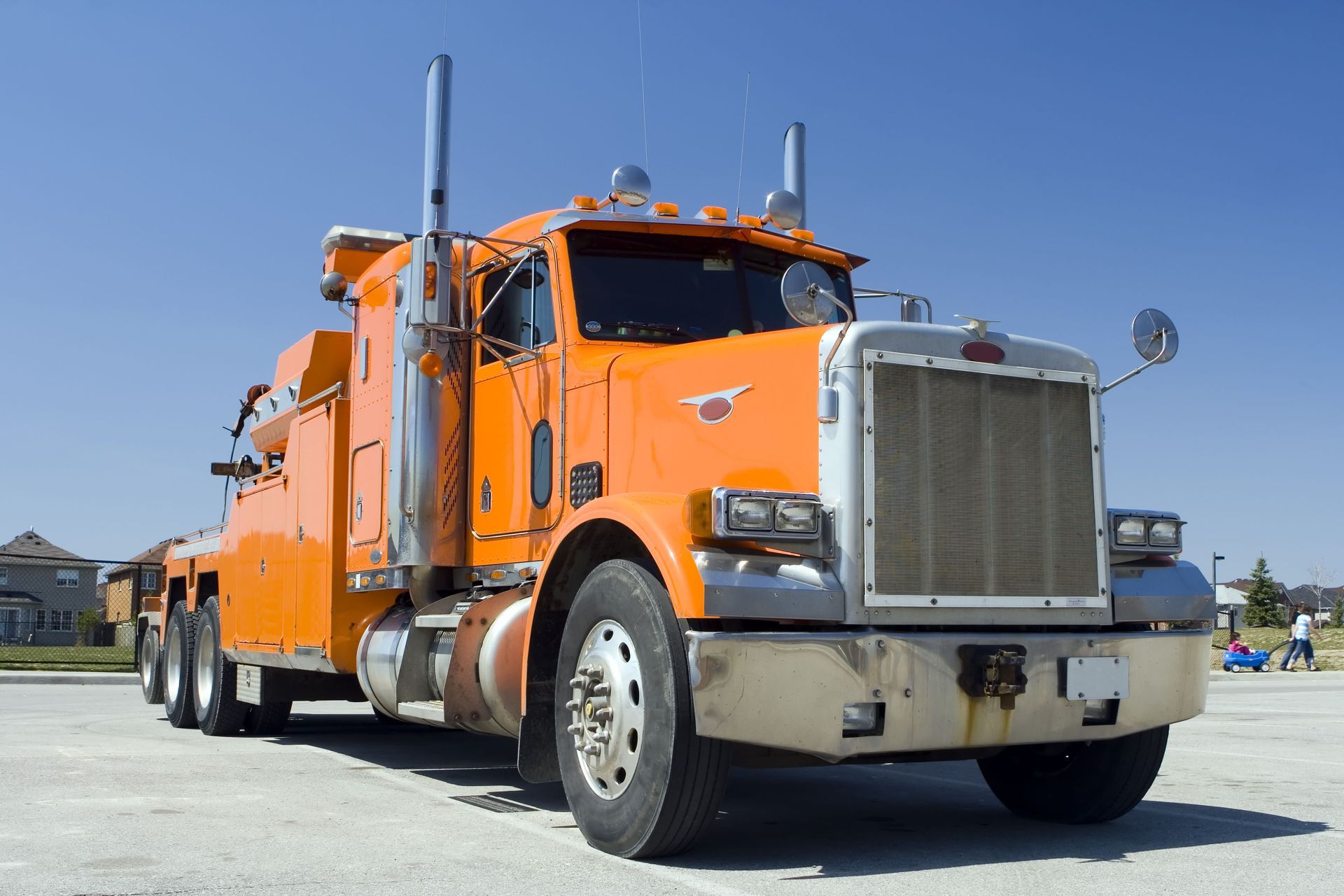
Trucks form the backbone of most hauling operations, offering flexibility and versatility. Standard box trucks, for example, are ideal for transporting general goods, while flatbed trucks handle oversized loads. Trailer types, including lowboys and enclosed trailers, provide additional support for specialized hauls. The integration of technology in vehicle design enhances capacity, safety, and efficiency. By employing the right vehicles, hauling services can optimize their operations and deliver exceptional service.
Explaining the Importance of Hauling Services
Driving and Supporting Economic Growth
Hauling services have a significant economic impact, fostering growth and development across various sectors. They contribute to local and national economies by facilitating trade, supporting industries, and generating employment. Efficient transportation services reduce delays and operational costs, enhancing overall productivity. By enabling the swift movement of materials and products, hauling services drive economic activity and prosperity. This crucial role reinforces their status as an essential component of the modern economy.
The ripple effect of hauling services extends beyond primary operations, influencing numerous secondary industries. For example, the retail sector relies on hauling services to maintain supply chains and meet consumer demands. Construction and manufacturing industries also benefit from reliable transport of materials necessary for production. As such, the efficiency of hauling services directly correlates with broader economic performance. This interdependence highlights the vital role these services play in sustaining and advancing economic health.
Supporting and Facilitating Operations Across Industries
Hauling services serve as a crucial support system for numerous industries, enabling them to function smoothly and efficiently. By providing timely transportation of materials, goods, and waste, hauling services facilitate uninterrupted production and delivery processes. This support extends to industries like manufacturing, construction, agriculture, and retail, where reliable logistics are essential. As a result, hauling services are instrumental in maintaining supply chains and ensuring operational continuity. Their role as industry enablers underscores their importance in modern economic systems.
The success of many sectors hinges on the timely and efficient movement of goods and materials. Hauling services provide the infrastructure necessary for seamless logistics, thereby supporting uninterrupted business operations. In the agricultural sector, timely transport ensures fresh produce reaches markets promptly, minimizing spoilage. Construction projects benefit from reliable material deliveries, allowing for steady progress towards completion. Such support highlights the integral role of hauling services in the broader industrial landscape.
Facilitating and Managing Waste and Recycling
Waste management and recycling pose critical challenges in modern societies, and hauling services play a pivotal role in addressing them. By facilitating the collection, transport, and processing of waste, these services contribute significantly to efficient waste management systems. They support recycling initiatives by ensuring recyclable materials are correctly sorted and delivered to appropriate facilities. This capability helps reduce landfill waste and conserve resources, aligning with broader sustainability goals. The role of hauling services in waste management underscores the vital link they provide between waste generation and disposal solutions.
The effectiveness of waste management relies heavily on the reliable transport of waste materials. Hauling services ensure that waste generated by households and businesses is collected and transported to disposal facilities efficiently. They also aid in the segregation and sorting of materials, which is crucial for recycling processes. By optimizing these operations, hauling providers help minimize the environmental impact of waste. Their contribution to waste management highlights their essential role in creating sustainable and resilient communities.
Supporting and Driving Urban Development Projects
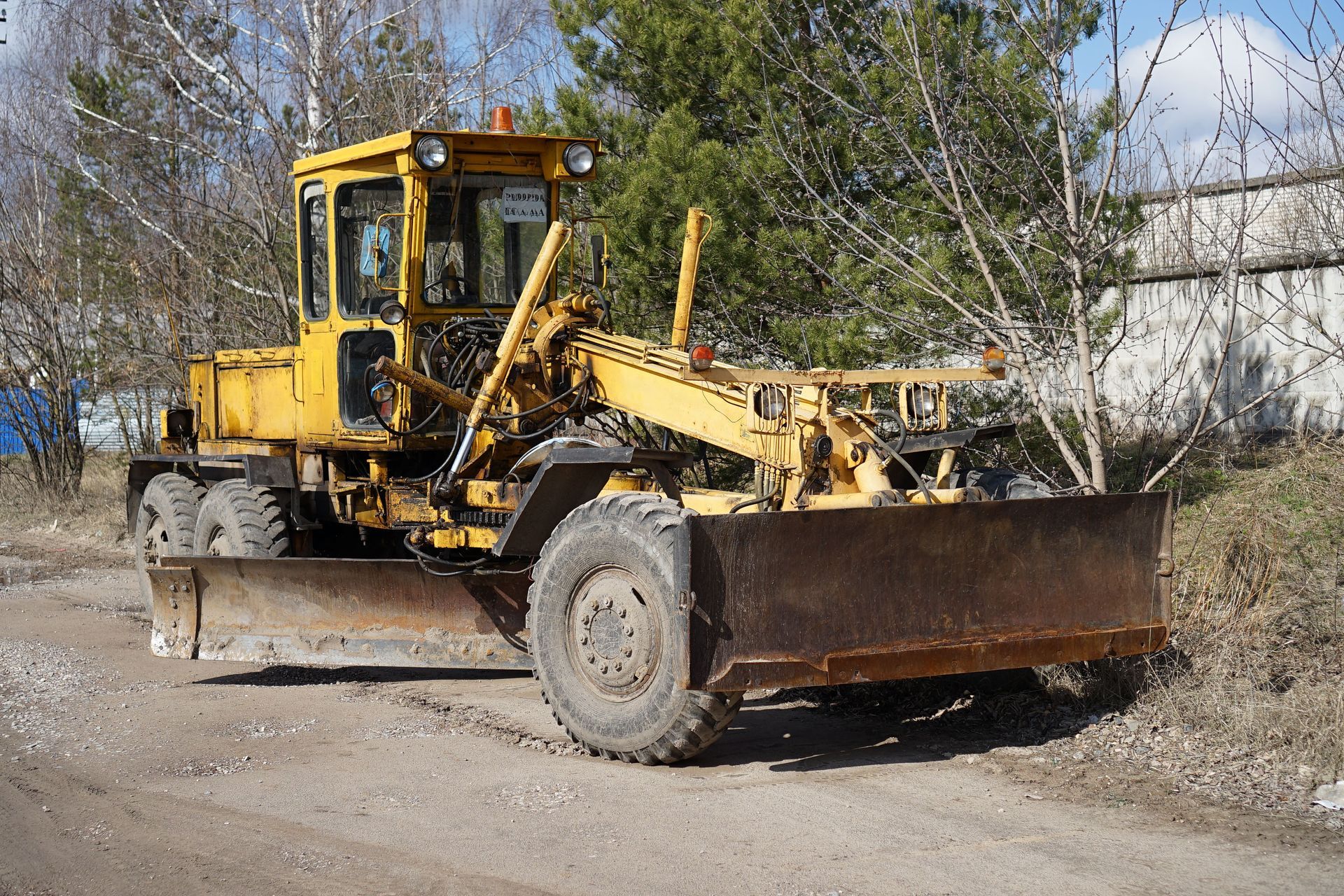
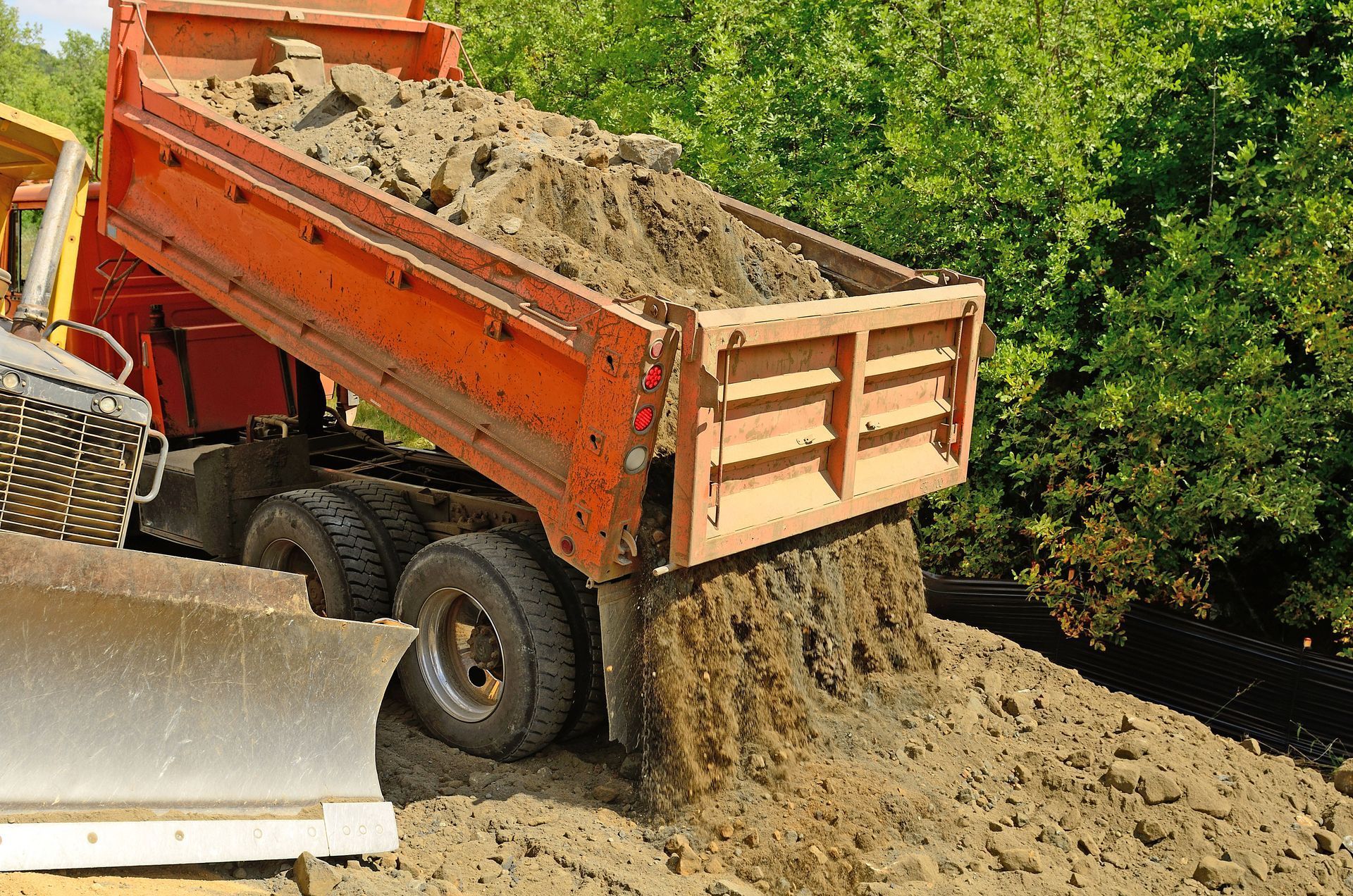
Hauling services significantly impact urban development by facilitating the transport of construction and infrastructure materials. By ensuring the timely delivery of essential resources, these services enable the completion of development projects efficiently. They play a crucial role in urbanization efforts, supporting the construction of roads, buildings, and public amenities.
Hauling services are an indispensable component of modern life, supporting a wide range of industries, facilitating efficient waste management, and driving urban development. Their versatility, specialized capabilities, and reliable operations ensure that goods, materials, and waste are transported safely and efficiently, creating a ripple effect that benefits businesses, communities, and the environment. For dependable hauling solutions tailored to both residential and commercial needs, Palmetto Clearing and Grading LLC is ready to assist.