November 18, 2026
A large landscaping project changes more than the appearance of a yard. New patios, pathways, garden beds, and open spaces depend on the ground beneath them. Poor drainage or unstable soil can damage finished surfaces.
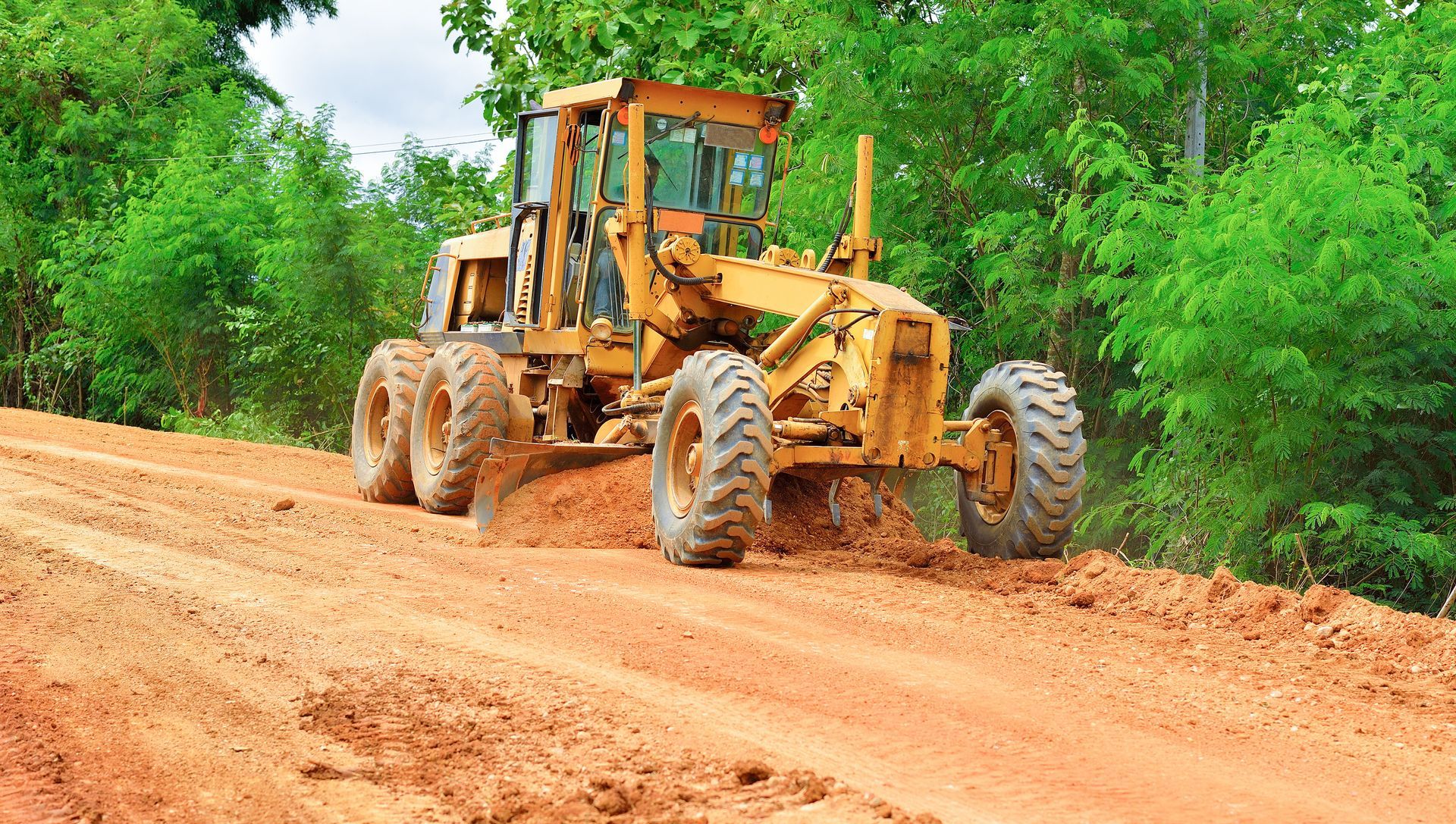
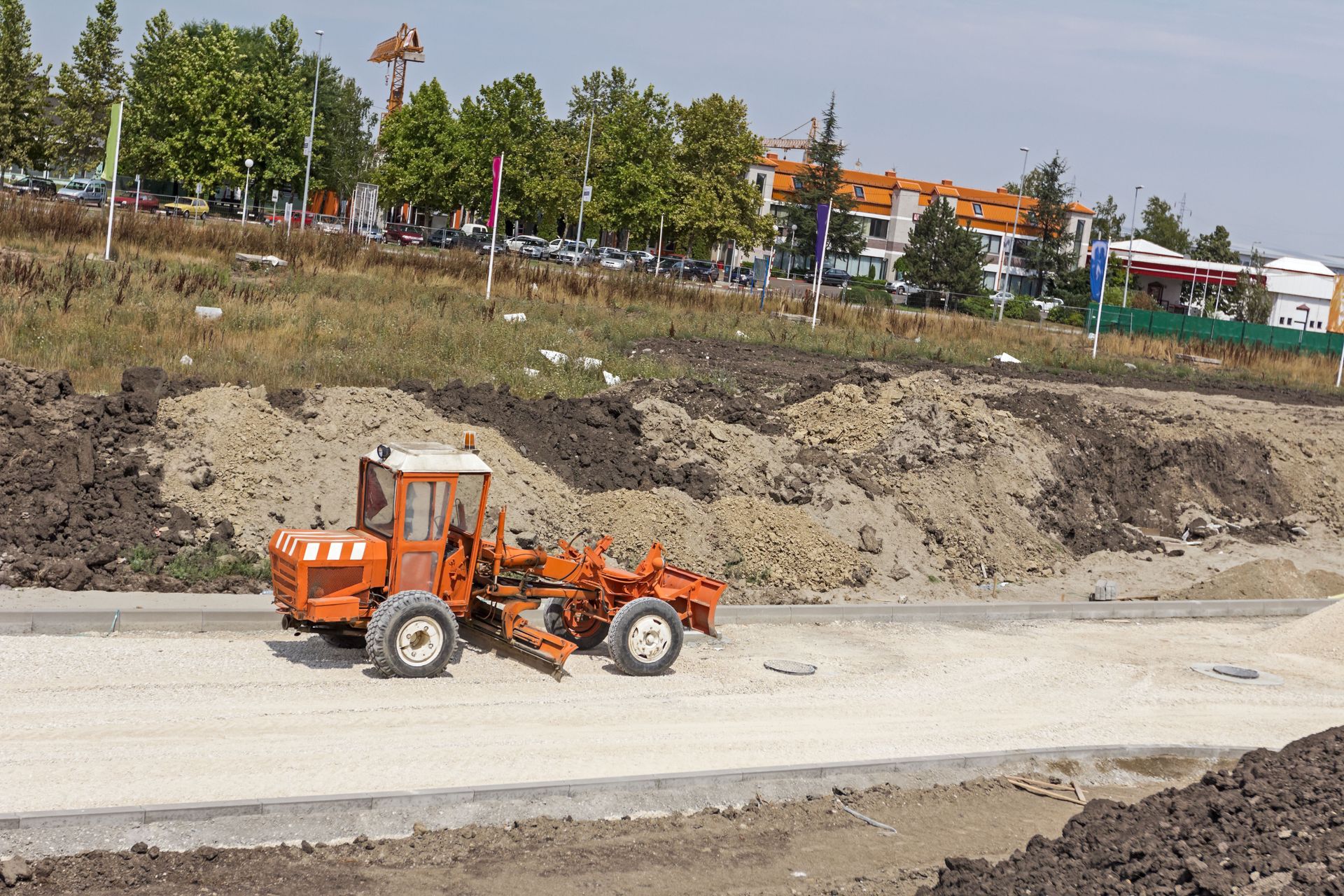
Site preparation starts with the terrain and its intended use. A professional grading service can help establish appropriate elevations, prepare surfaces for construction, and coordinate drainage with the overall design. Here is what to discuss before work begins.
Assess the Existing Ground Conditions
Before moving soil, identify where water collects, which areas remain muddy after rain, and where the ground rises or falls. A yard that looks nearly level from a window can contain depressions that hold water or send runoff toward a foundation. Trees, utility lines, existing walkways, and adjoining properties also affect what can safely be changed.
Measurements provide a more reliable starting point than appearance alone. Depending on the project, a contractor may use a laser level, elevation stakes, or a topographic survey to identify high and low points. Assessment can distinguish slope problems from compacted soil or blocked drains.
Plan Where Rainwater Will Travel
Effective site preparation gives rainfall a suitable route away from vulnerable areas. That may mean directing water toward an existing approved drainage outlet, shaping a shallow swale, or coordinating surface changes with a separate drainage installation. Concentrated runoff can erode soil or affect neighboring property.
A grading service should consider roofs, downspouts, paved surfaces, and nearby buildings when evaluating the proposed elevations. Plans also need to respect local stormwater requirements. If a low area has no safe outlet, moving soil alone may not solve the issue. Discuss the entire drainage path before approving work that changes how water leaves the site.
Create Useful Transitions Between Outdoor Areas
Large yards often contain spaces with different purposes. A patio may need a relatively even surface, while a lawn or planted slope needs enough fall for water to drain. Smooth transitions make walking, mowing, and equipment access easier.
Gentle slopes can preserve usable lawn space, and stepped layouts may make a challenging hillside more practical. However, steep terrain can require engineered retaining structures or other specialized work. Grading does not automatically make every part of a property flat, nor should it. The finished contours should support safe access, the intended landscape features, and existing drainage patterns where possible.
Prepare Soil for Paths and Hardscaping
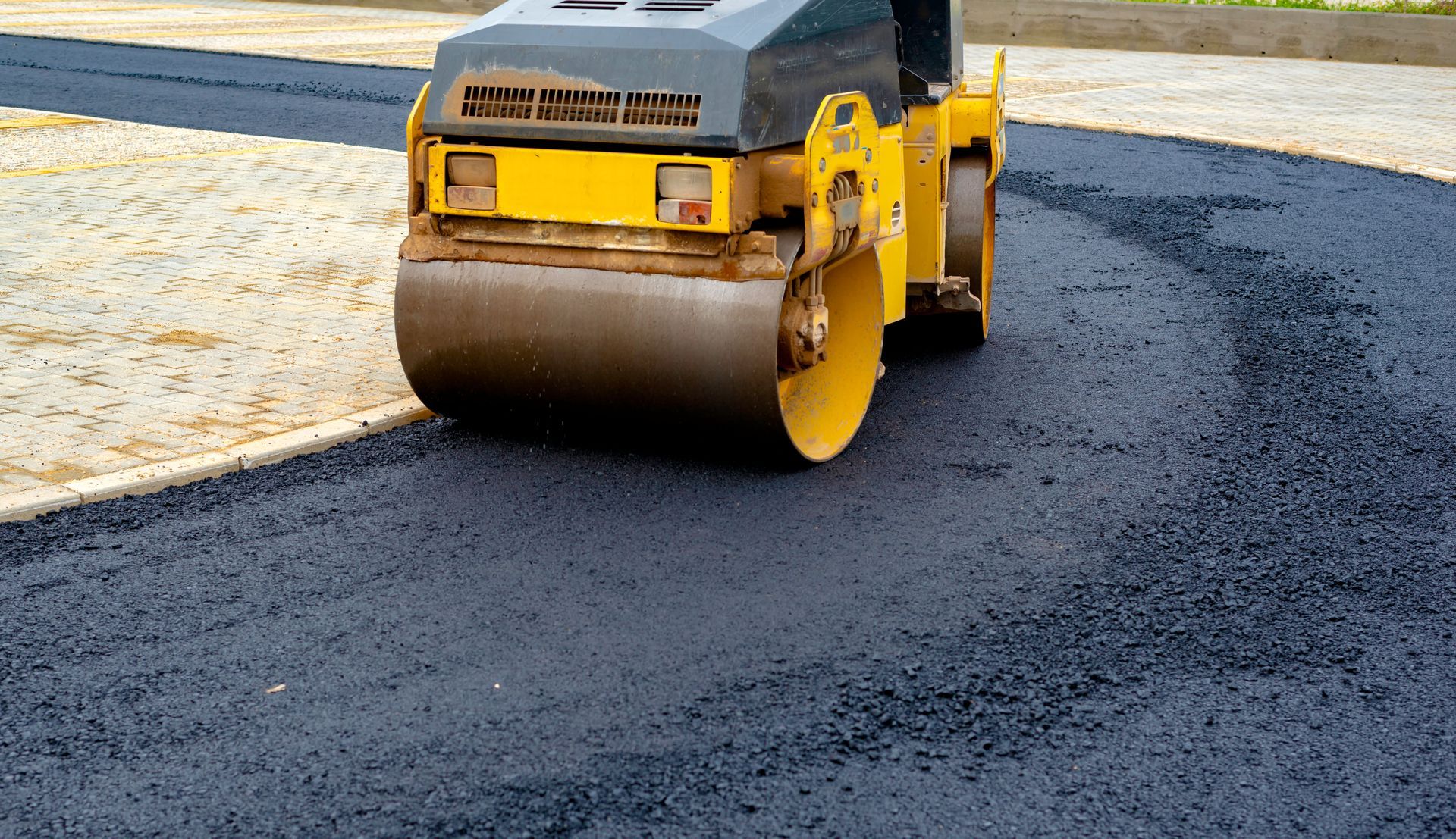
Patios, driveways, and walkways depend on the condition of the material beneath them. Soft soil or poorly compacted fill may settle, leaving uneven surfaces or cracks. Before construction, contractors may need to remove unsuitable material, establish a stable base, and place fill in layers appropriate for the work.
Soil type and moisture affect these decisions. Sandy material behaves differently from dense clay, and wet conditions can make earthmoving or compaction less effective. An experienced grading service should coordinate the surface elevations with the hardscape contractor's base and drainage requirements. Fixing poor preparation after installation can be expensive.
Protect Existing Structures and Plantings
Changing the grade around a building requires particular care. Raising soil too high against siding or covering foundation vents can create moisture concerns. Lowering the ground excessively may expose vulnerable areas or change the way water reaches a foundation. Door thresholds, steps, utilities, and equipment pads should be included in the plan before elevations are adjusted.
Established trees deserve attention as well. Removing soil around roots or piling new fill against trunks can damage healthy trees over time. Mark vegetation worth preserving and discuss protective work zones before equipment arrives. Sometimes the best layout leaves sections of the original terrain intact instead of reshaping the entire property.
Reduce Erosion During Construction
Exposed soil can wash downhill during a heavy storm, particularly when a large area has been cleared at once. Sediment can collect in streets, drainage structures, neighboring yards, or waterways. Planning temporary controls before excavation helps limit these impacts while the site is vulnerable.
Depending on local requirements and site conditions, measures may include silt fencing, stabilized access points, protected stockpiles, and prompt seeding or mulching after work. A grading service should also plan how runoff will be handled between construction stages, not only after the final landscape is complete. The appropriate controls depend on the slope, soil, rainfall, and disturbance area, so a single method will not suit every project.
Check Permit and Land-Disturbance Requirements
Large projects may require approvals before clearing, excavation, or substantial changes to drainage begin. According to Lawn Love, a grading permit is required when disturbing more than 5,000 square feet of land. That published threshold is a useful reminder to investigate permitting, but it is not a nationwide rule. Actual triggers vary by city, county, state, and the nature of the work.
Property owners should confirm local requirements for grading, erosion control, tree protection, and stormwater management. Some sites may need plans prepared by a qualified design professional. A contractor can help identify likely approvals, but the responsible parties should be clear in the written agreement. Starting before necessary permits are issued can lead to delays or corrective work.
Coordinate Equipment and Construction Timing
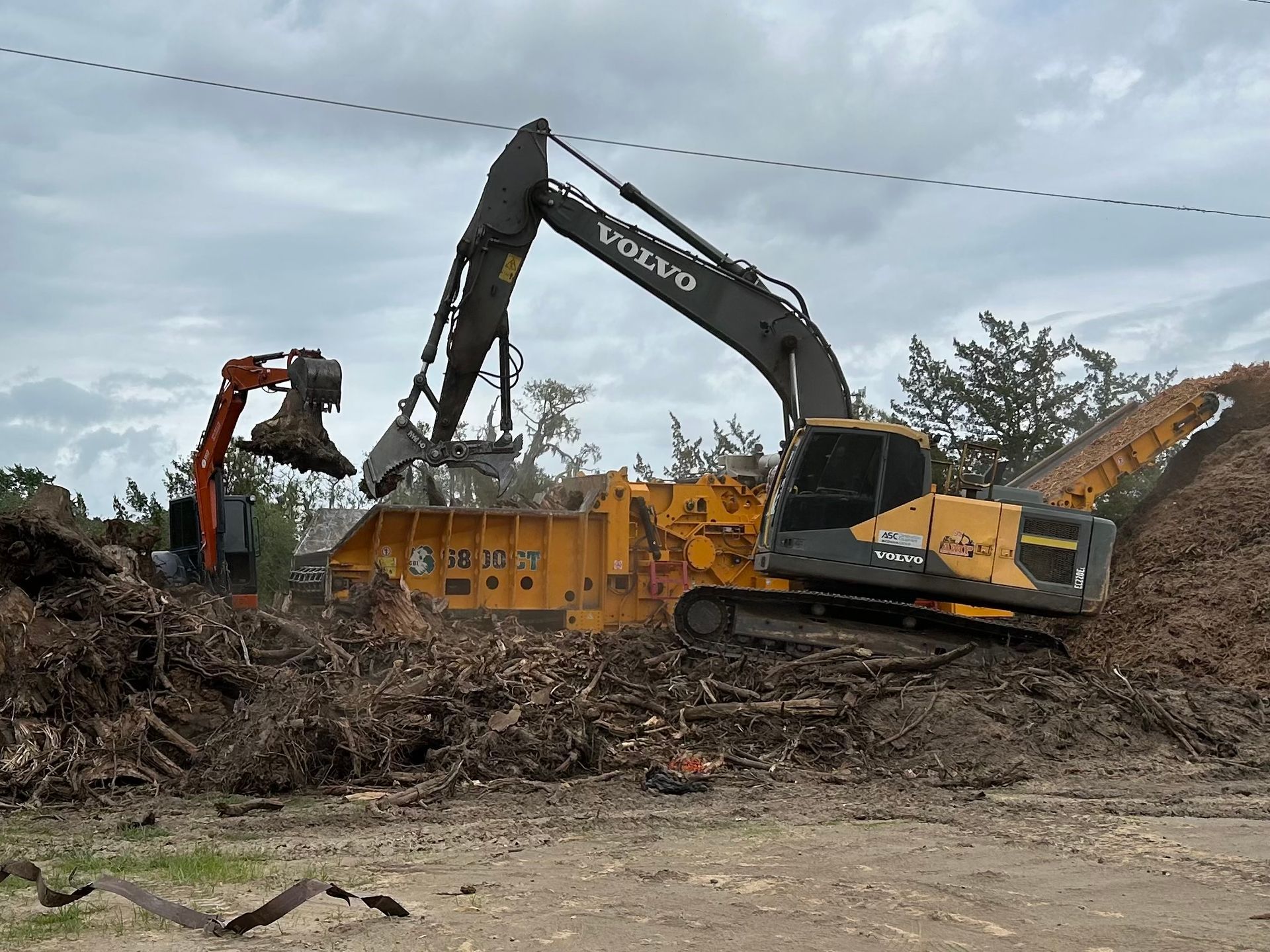
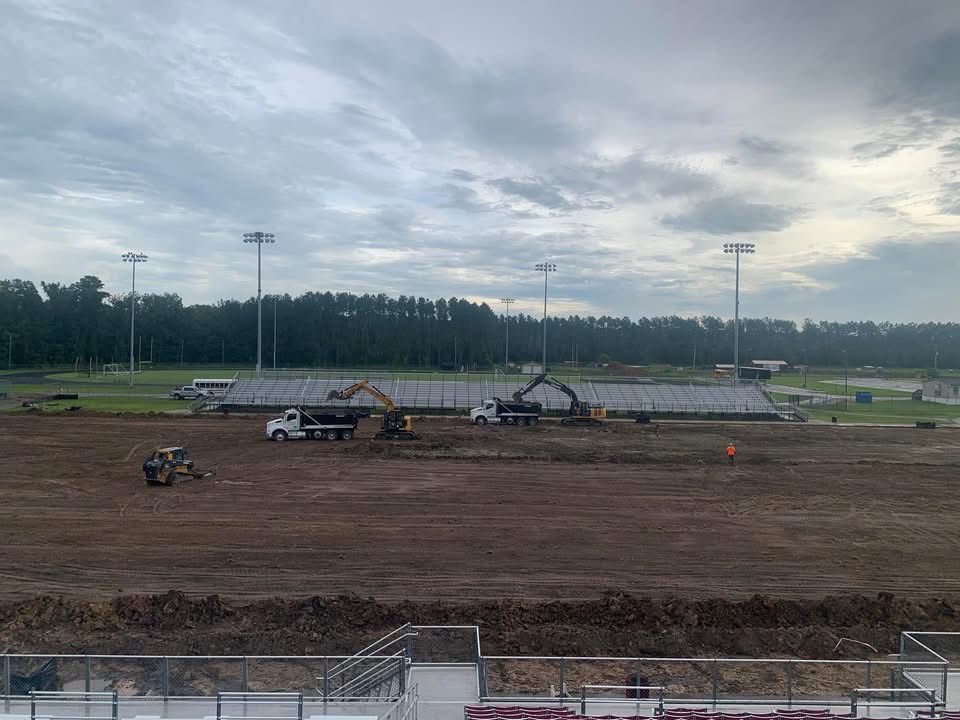
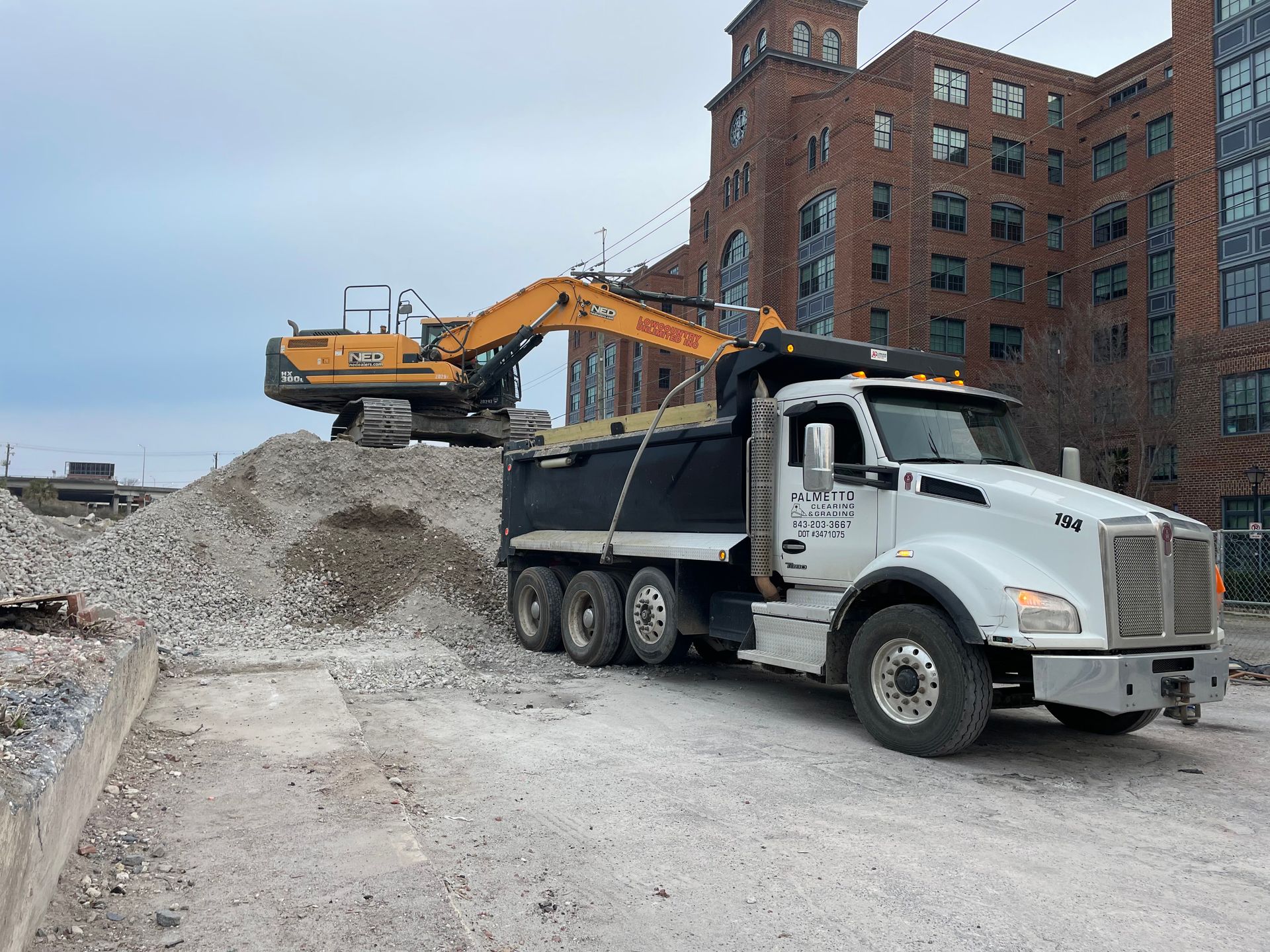
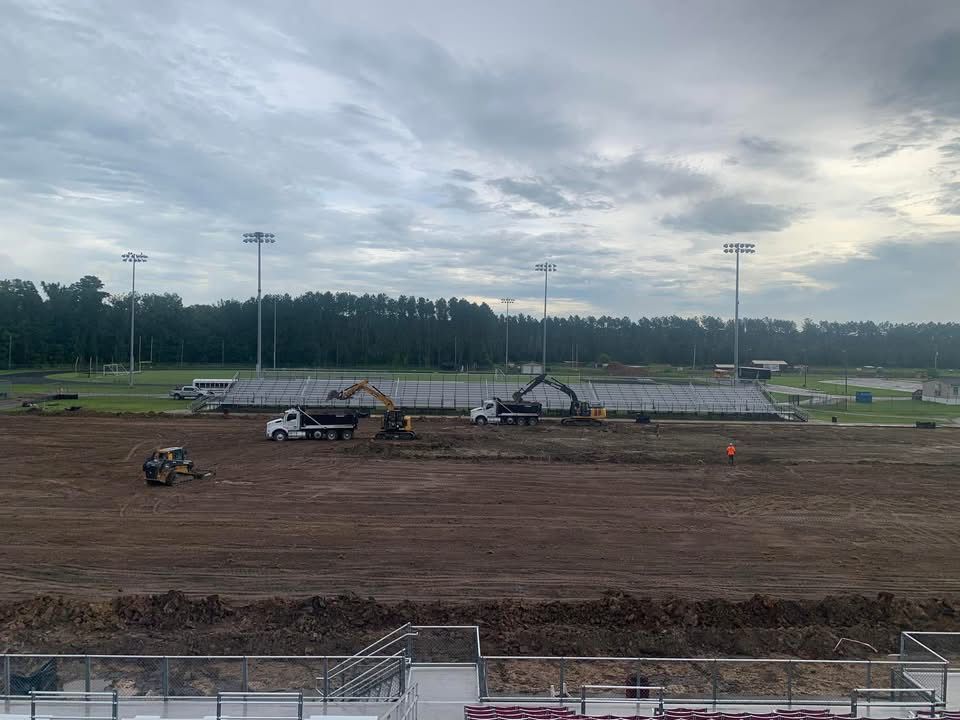
Major earthwork can involve excavators, compact loaders, hauling trucks, and equipment for shaping or compacting soil. The right machinery depends on access, material volume, site conditions, and nearby structures. Narrow gates, overhead lines, and soft ground can change how materials are moved and where equipment can operate.
Scheduling matters because rough grading generally needs to happen before many finished surfaces and plantings are installed. A grading service can explain what should be completed first, what work depends on dry weather, and when other contractors can enter the area. Agree on where soil will be stored or removed, and how the site will be left between phases.
Compare Proposals Beyond the Initial Price
A useful estimate identifies the area to be worked, the intended elevations or drainage outcome, and what the contractor will provide. Ask whether the proposal includes clearing, imported fill, hauling, compaction, erosion controls, and final surface preparation. These details make different bids easier to compare.
Also confirm how unexpected conditions will be handled. Buried debris, unsuitable soil, or an unanticipated drainage obstruction may require a change in scope. Written approval procedures help prevent disagreements about additional work. When choosing a
grading service, prioritize a clear explanation of the plan, relevant experience, and communication over an unusually low number without supporting details.
Inspect and Maintain the Finished Site
Once grading is complete, look for smooth transitions, stable prepared areas, and a clear path for runoff. Rainstorms can expose problems. Watch for persistent puddles, new channels in exposed soil, or settlement around recently filled areas, and report changes before installing expensive finishing materials.
Maintenance continues after the landscape is established. Keep drainage paths clear of leaves and sediment, restore damaged ground cover, and avoid placing soil where it can block designed outlets. Effective grading should not require constant correction.
Build a Stronger Starting Point for Landscaping
Large landscaping projects succeed when the finished design is supported by careful preparation below the surface. Evaluating terrain, managing drainage, stabilizing soil, and checking permits can reduce avoidable problems and make outdoor areas more practical for everyday use.
Palmetto Clearing and Grading LLC provides grading, site preparation, drainage, and land-clearing services in the South Carolina Lowcountry. Property owners planning a major landscape improvement can contact the company to discuss site conditions, project goals, and the groundwork needed before installation begins.