November 17, 2026
A yard can look level while directing rainwater toward a house, driveway, or neighboring property. Over time, standing water can leave lawns muddy, contribute to erosion, and expose weaknesses around exterior structures. The solution is not simply to move dirt until the ground looks smooth. A useful slope must guide runoff toward an appropriate outlet without creating a new problem elsewhere.
Understanding surface slopes helps owners recognize drainage concerns and discuss solutions with a contractor. The best approach begins with existing conditions, not a single measurement applied everywhere.
Recognize How Slope Directs Rainwater
Rain moves downhill, but small changes in ground elevation can affect where that water collects. A shallow depression beside a foundation may hold water long after the rest of the yard has dried. An abrupt grade can send runoff across a walkway or carry loose soil into a planting bed. Both conditions deserve attention, even when the property has never experienced indoor flooding.
According to Lawn Love, land grading improves drainage on flat yards, with an ideal terrain slope of at least 2 degrees to facilitate water runoff. The recommendation illustrates why a measurable incline matters, but it is not universal. Drainage plans must also account for soil, existing structures, local rules, and safe destinations for stormwater.
Match the Grade to the Property
A slope suitable beside a building may not work for a play area or driveway. Areas near foundations generally need positive drainage away from the structure, while other spaces may benefit from a gentler surface or a designated drainage feature. The objective is controlled movement, not the steepest possible incline.
Site-specific land grading also considers what lies beyond the property line. Redirecting water toward a neighbor's building or a public sidewalk can create additional problems and may violate local requirements. Existing ditches, stormwater facilities, and natural drainage paths should be identified before changing elevations. On complex sites, the work may require a survey or engineered plan rather than an informal estimate.
Measure the Existing Terrain
Visual impressions are unreliable when assessing a yard. Ground that appears almost flat may still have enough fall to drain, while a broad area can conceal low spots that collect runoff. Contractors may use laser levels, surveying equipment, stakes, and elevation measurements to establish how the site currently behaves and where adjustments would help.
Measurements should include more than the planned work area. Door thresholds, garage entrances, air-conditioning equipment, drainage inlets, and the base of exterior walls can limit how much soil can be added or removed. An assessment of land grading needs also reveals whether puddles result from surface contours, compacted soil, blocked outlets, or conditions that recontouring alone cannot fix.
Prepare Soil Before Moving Earth
Soil behaves differently depending on its composition and moisture content. Sandy material usually drains differently from dense clay, while wet soil can be difficult to shape and compact correctly. A contractor may need to remove organic debris, examine existing fill, or address unstable areas before establishing the finished surface.
Cut-and-fill work involves removing soil from high spots and adding suitable material to low areas. The new surface must be placed and compacted appropriately for its intended use, particularly near driveways or future construction. Poorly prepared fill can settle and recreate depressions. Effective land grading depends on preparation beneath the finished surface.
Control Runoff Without Creating Erosion
Water needs a place to go after it leaves a problem area. A carefully shaped swale may guide runoff through a yard, while a drain or other approved outlet may be needed where natural flow is limited. The solution depends on rainfall, property boundaries, and available outlets.
Increasing the slope without considering water speed can wash away topsoil, damage plants, or carve channels into exposed ground. Stabilization measures, including appropriate vegetation, erosion-control materials, or stone in selected locations, may be necessary after construction. When land grading changes a large area, temporary erosion and sediment controls can also help keep loose soil from entering streets or waterways during the work.
Protect Foundations and Outdoor Structures
Water collecting beside a foundation deserves attention, but a wet basement does not always mean the yard's slope is the only cause. Gutters, downspouts, foundation drainage, waterproofing, and subsurface conditions can influence moisture problems. Redirecting roof runoff away from the house may be an important companion measure to reshaping the ground.
Patios, retaining walls, steps, and paved surfaces also affect drainage routes. Raising soil against siding or covering required openings can trap moisture and create maintenance concerns. Before beginning earthwork near a structure, identify relevant clearances and drainage details. Where movement, cracking, or persistent seepage is already present, further evaluation may be needed before earthwork begins.
Avoid Common Planning Mistakes
One mistake is adding soil to every puddle. Filling a low spot without establishing an outlet may simply move the standing water a few feet away. Another is assuming a perfectly level lawn is desirable. Recreational spaces need usable surfaces, but drainage still requires a practical path away from vulnerable areas.
Property owners should also check for buried utilities, irrigation lines, tree roots, and permit requirements before excavation. Moving soil around established trees can damage roots or alter the ground level around trunks. Poor equipment access can affect costs and the surrounding landscape. A thoughtful land grading plan accounts for these obstacles early instead of discovering them after work has started.
Consider Professional Equipment and Oversight
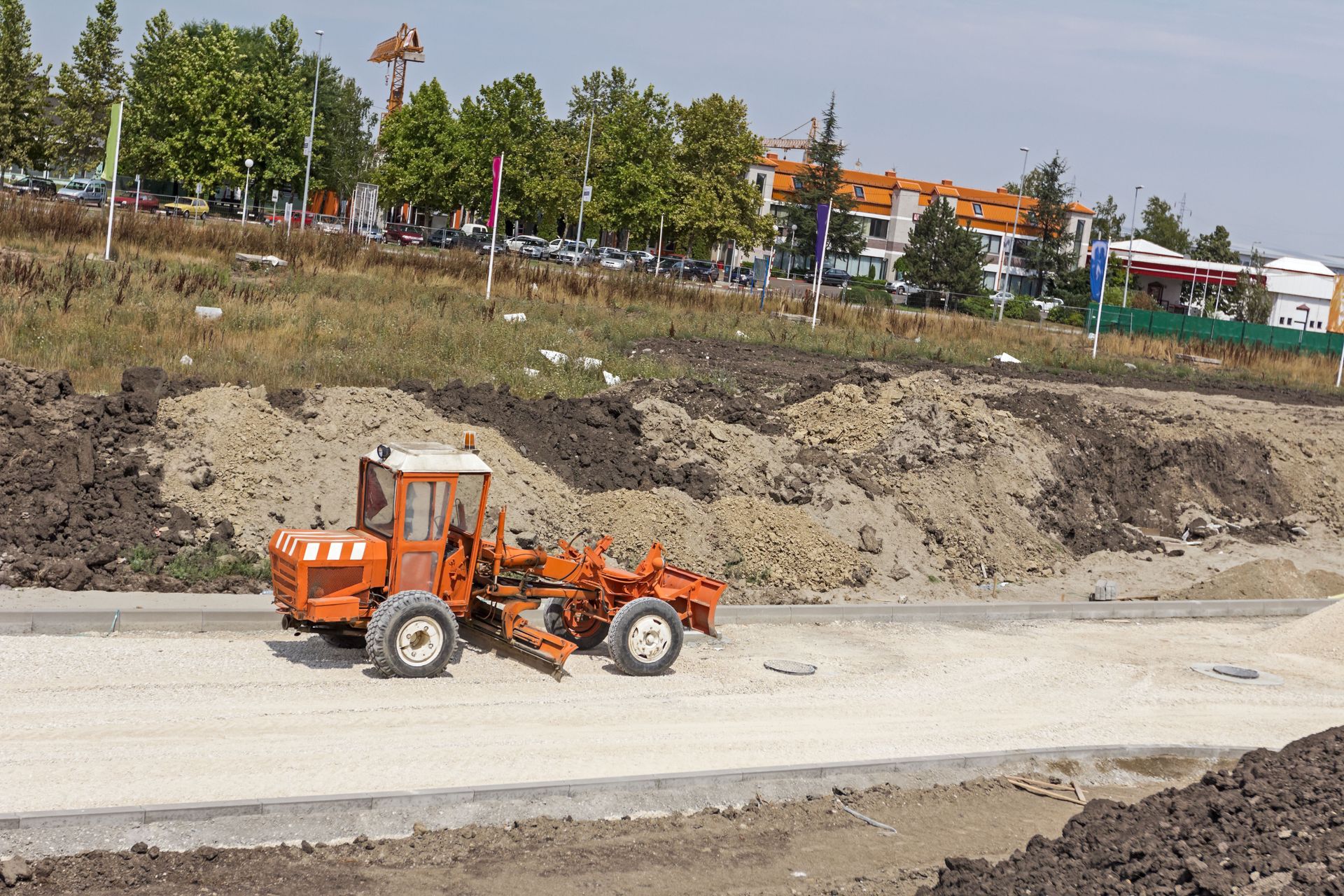
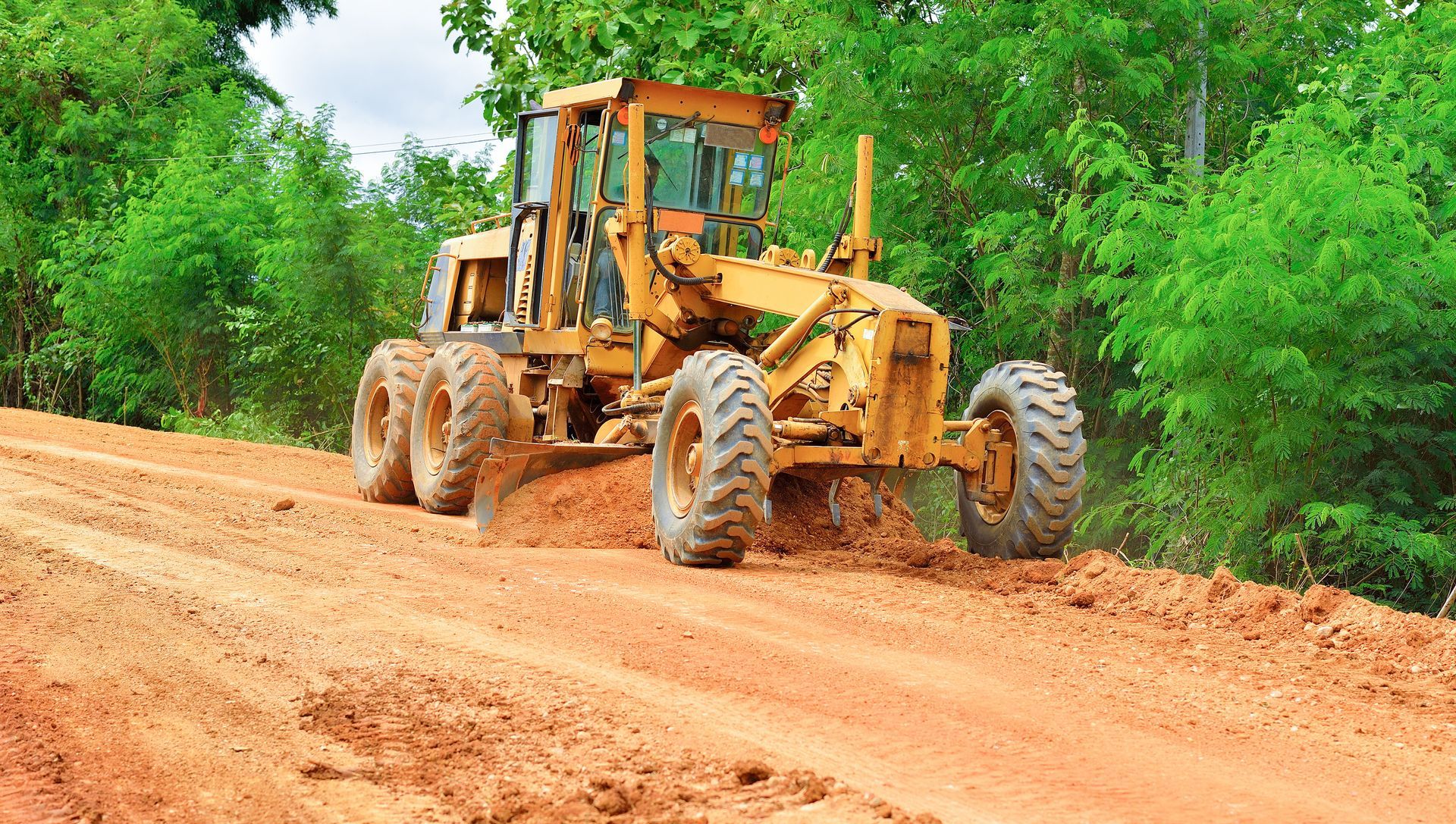
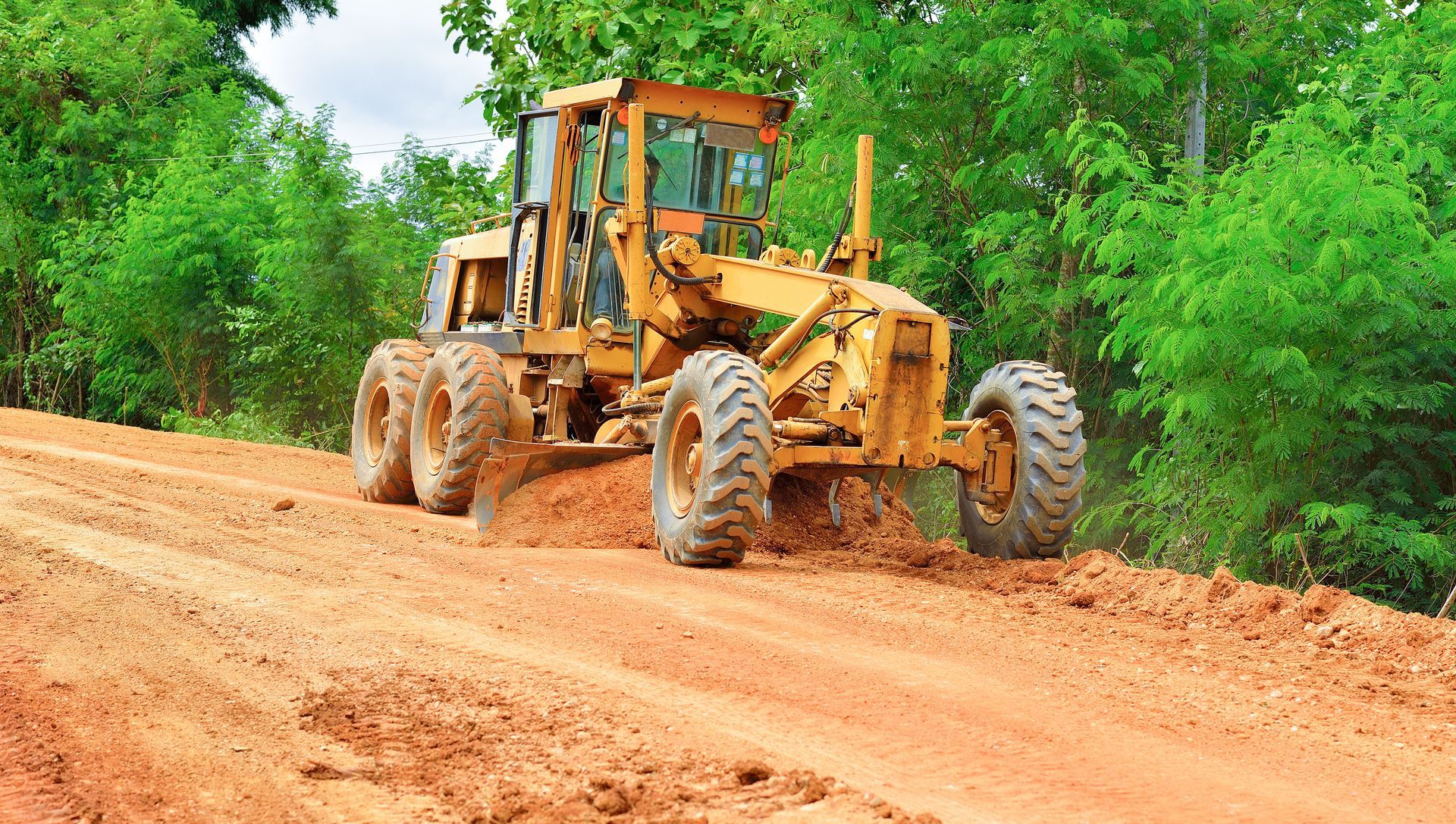
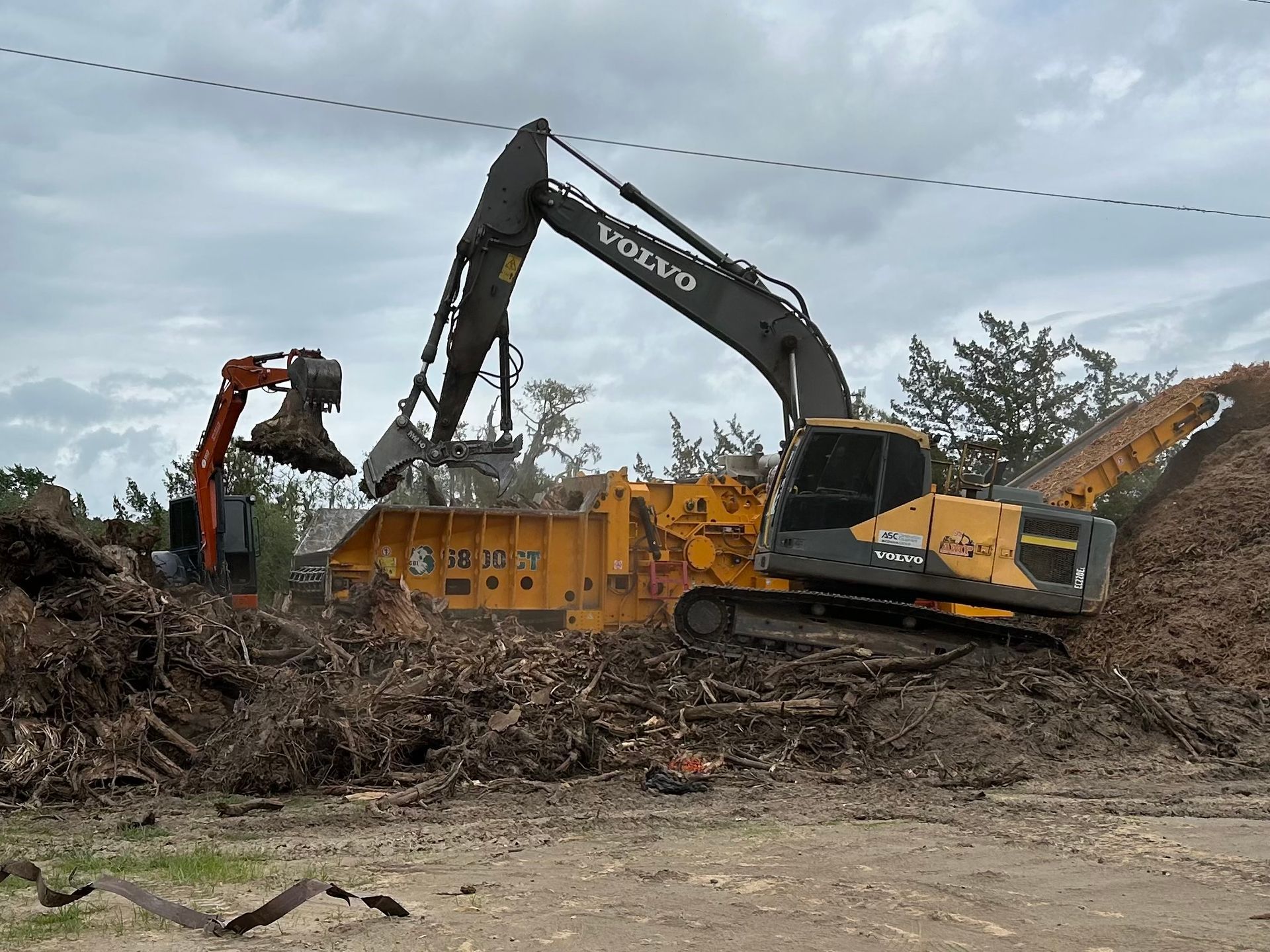
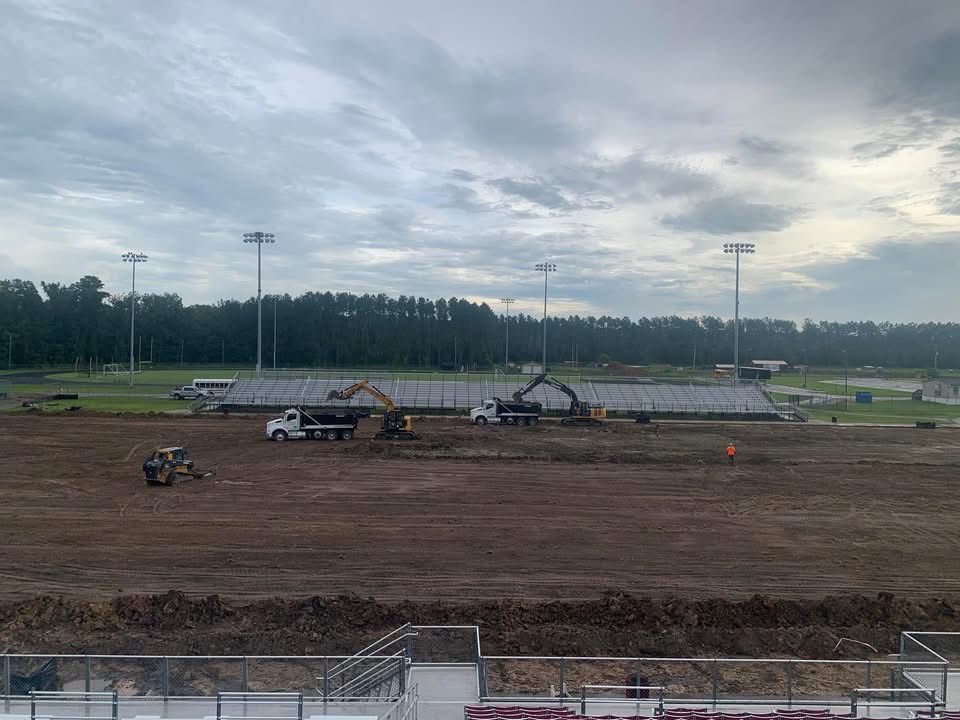
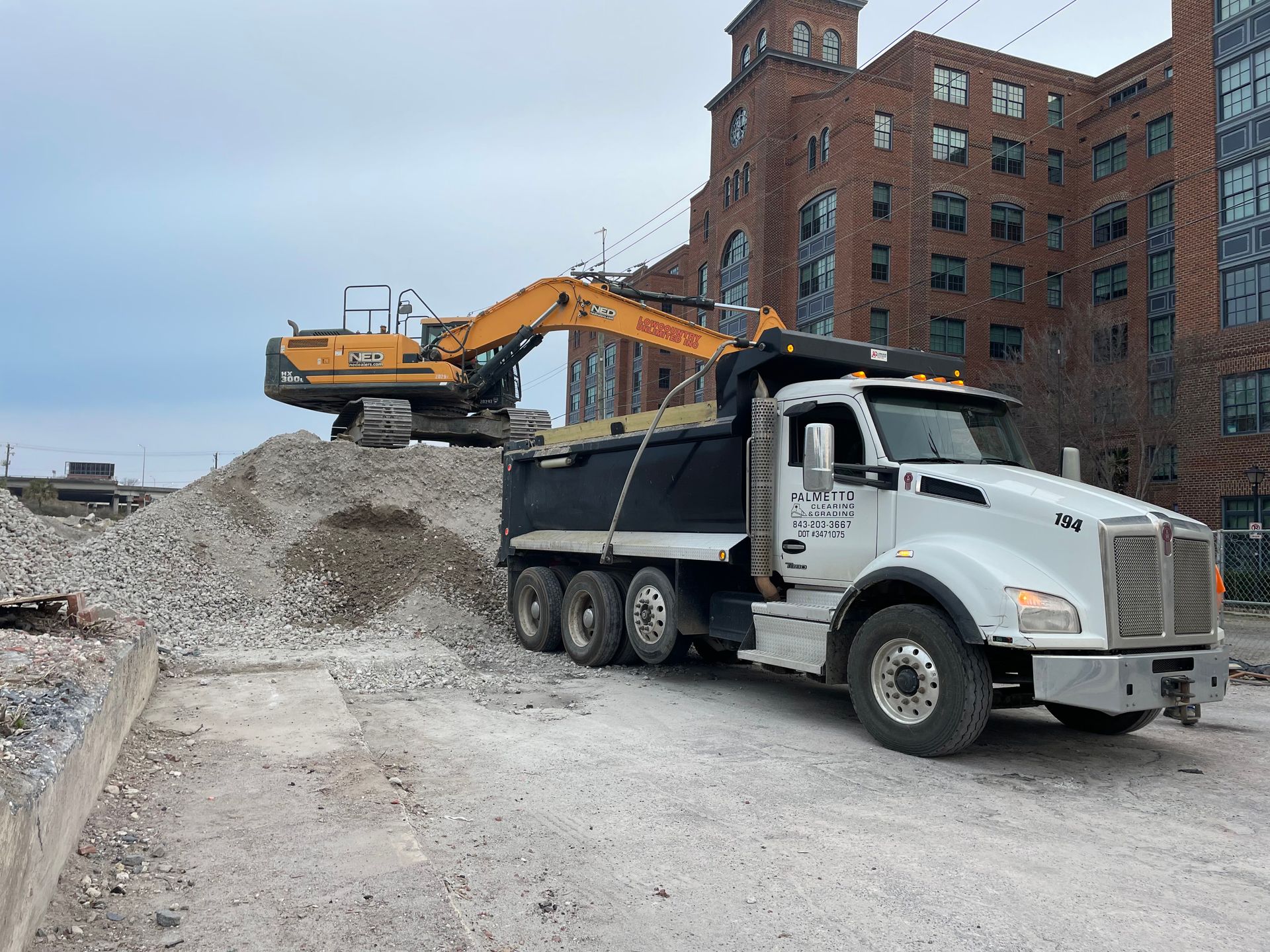
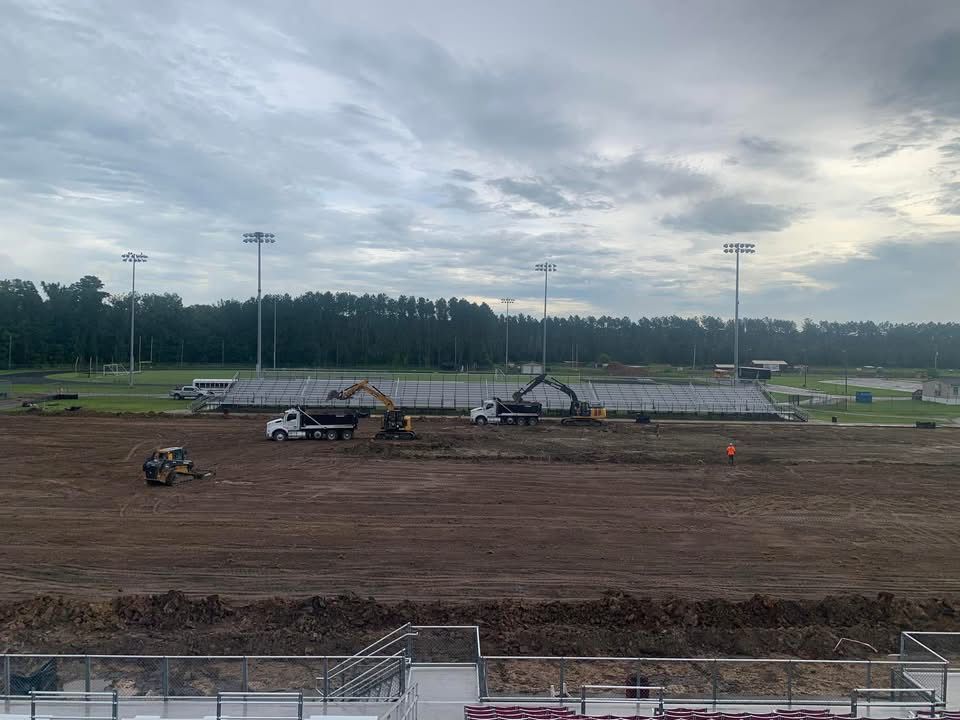
Small surface corrections may be manageable with ordinary landscaping tools, but broad elevation changes call for careful planning and suitable machinery. Excavators, compact equipment, and grading attachments can move material efficiently; they do not automatically produce an accurate final slope. Equipment must suit access, soil, and project scale.
Ask a contractor how elevations will be checked, where excess material will go, and how disturbed surfaces will be stabilized. Discuss whether drainage improvements, permits, or separate professional assessments are required. Experienced professionals should be able to explain the proposed direction of runoff and the limits of the work without promising that every water problem will disappear.
Maintain the Finished Grade
Once work is complete, watch how the property responds to several rainstorms. Water should move toward its intended outlet instead of settling against structures or cutting new channels through bare soil. New fill may settle, and later activity can alter the surface. These conditions are easier to address when they are noticed early.
Keep drainage paths clear of leaves and sediment, establish ground cover where appropriate, and avoid piling mulch or soil against building materials. Check downspout outlets regularly as well. If persistent pooling returns, request an assessment rather than repeatedly adding fill. Routine observation helps preserve the benefit of earlier
land grading and identifies when other drainage systems may need attention.
Plan for a More Dependable Property
The right slope balances runoff control, soil stability, access, and the way an outdoor space will be used. A measured approach can reduce standing water and erosion risks while protecting the features that make a property useful. No single angle replaces a review of the entire site, particularly where structures, utilities, or neighboring lots affect drainage.
For property owners in the South Carolina Lowcountry, Palmetto Clearing and Grading LLC offers grading and related site preparation services. Contact the company to discuss existing drainage concerns, the proposed work area, and an appropriate plan for improving how water moves across the property.