June 17, 2026
A gravel driveway can add rustic charm and practical access to a property, but it can also become a constant source of frustration when washouts, ruts, and drainage problems start to appear. Heavy rain, poor soil preparation, and improper slope design often lead to standing water and erosion that gradually weaken the entire surface. Working with a professional grading service early in the process can prevent these costly issues and help create a driveway that remains stable through changing weather conditions.
Drainage Planning
Water is the biggest threat to any gravel driveway. Without a proper drainage plan, rainfall will naturally follow the path of least resistance and begin cutting channels through loose gravel. Over time, this erosion creates potholes, exposes the soil underneath, and washes valuable material into nearby ditches or lawns.
The slope of a driveway plays a major role in directing water safely away from the driving surface. A driveway should generally have a slight crown in the center or a controlled cross slope that allows runoff to move toward the edges instead of pooling in the middle. When the angle is too flat, water collects and softens the soil beneath the gravel. When the angle is too steep, fast-moving runoff can strip away gravel during heavy storms.
An experienced grading service understands how to balance slope and drainage according to the terrain of the property. Professionals evaluate elevation changes, nearby drainage paths, and soil composition before beginning work. This planning stage helps reduce the likelihood of recurring washouts and prevents expensive repairs later.
Drainage features also contribute to long-term driveway performance. Culverts, swales, and drainage ditches help redirect water away from vulnerable areas. In some cases, adding retaining edges or vegetation along the driveway can reduce erosion and stabilize surrounding soil. These details may seem minor at first, but they often determine whether a gravel driveway lasts for years or begins deteriorating after the first major storm.
Another important consideration is runoff from nearby roofs, hillsides, or neighboring properties. Water flowing from surrounding areas can overwhelm even a well-built driveway if drainage pathways are ignored. Property owners who address the entire drainage system instead of only the gravel surface often experience fewer maintenance problems over time.
Foundation Preparation
Many driveway failures begin below the surface. While gravel may appear durable from above, the underlying base is what supports vehicle weight and maintains structural integrity. If the foundation is weak, uneven, or poorly compacted, the driveway becomes vulnerable to shifting and washouts and could benefit from grading service.
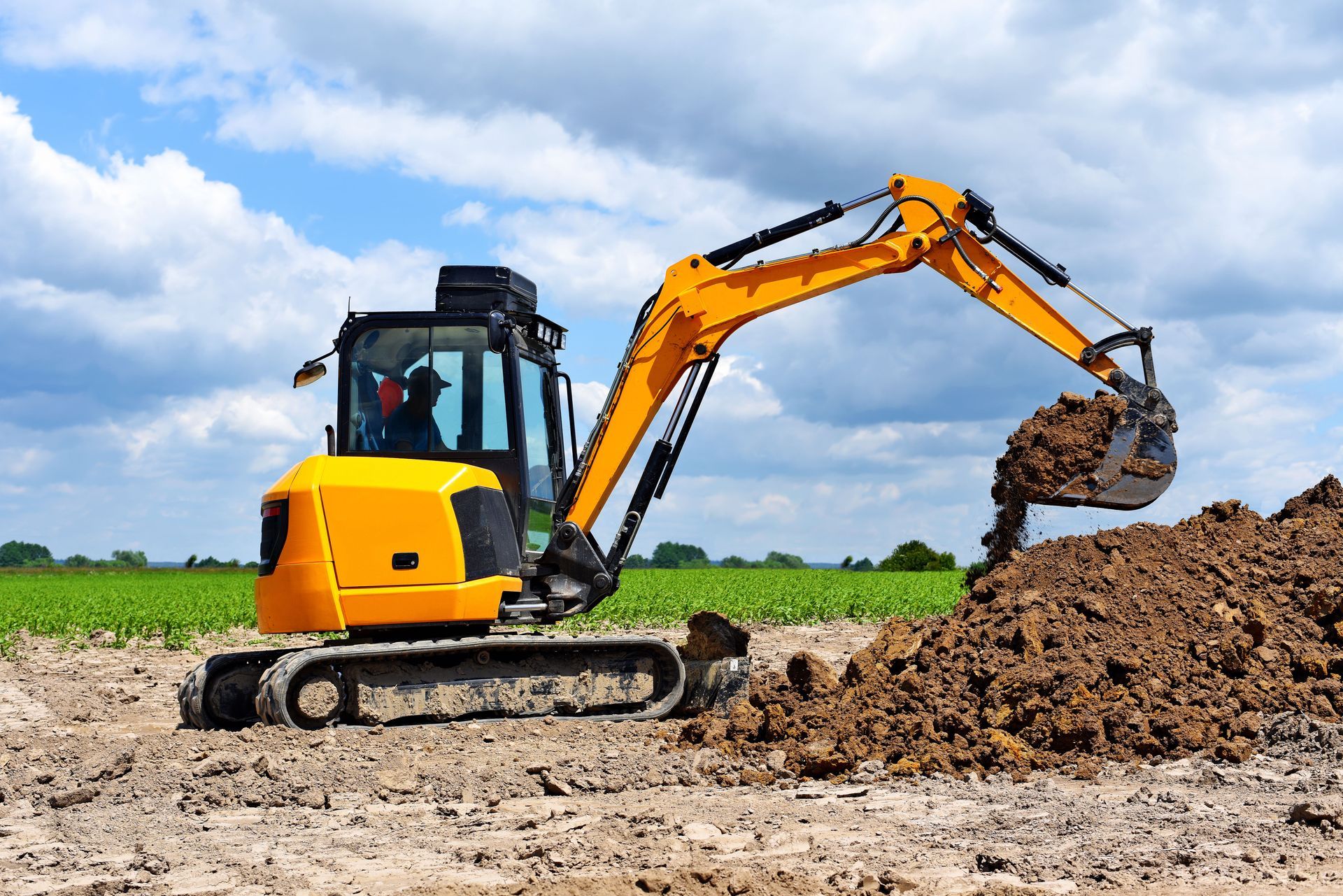
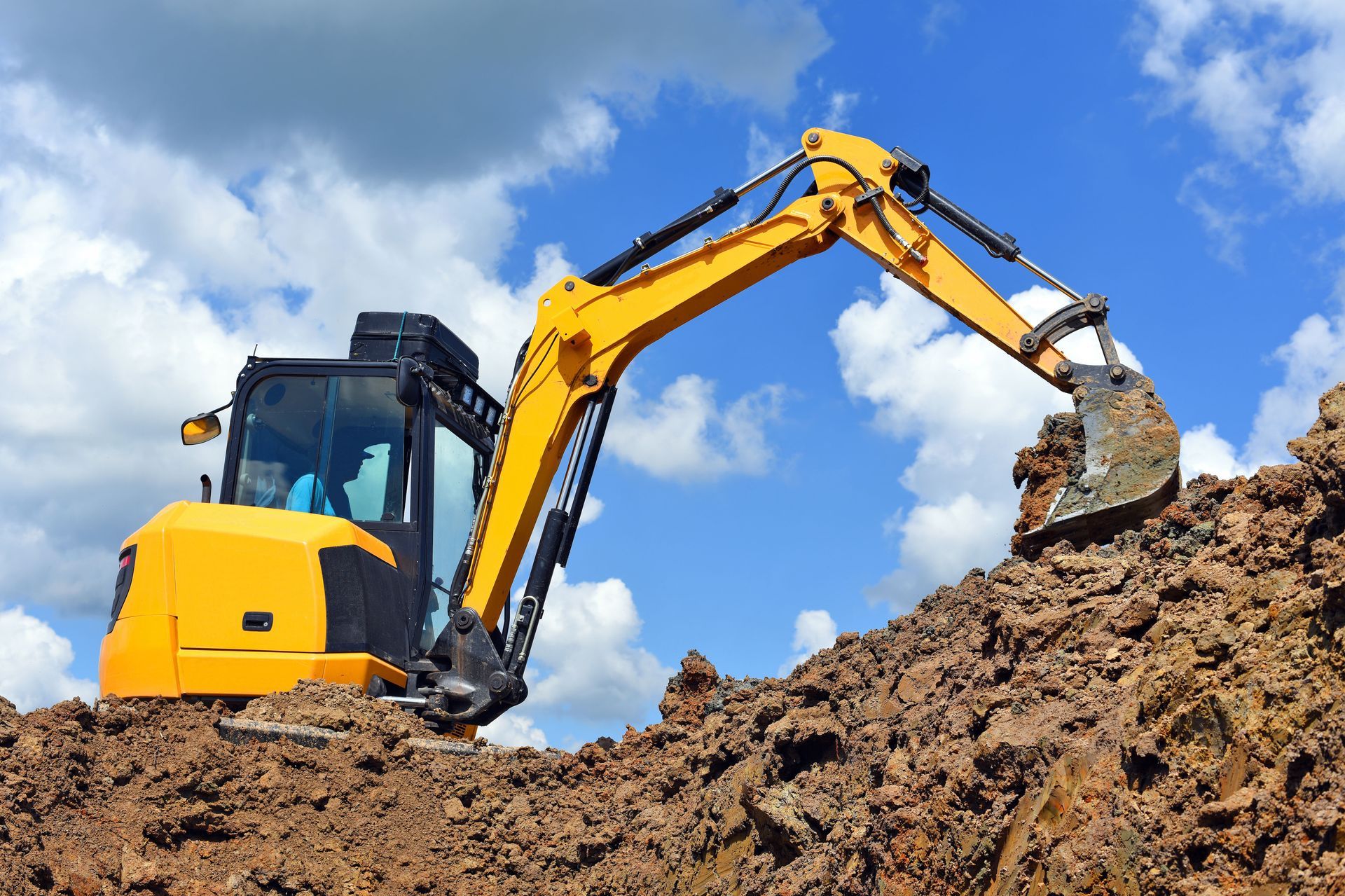
Site preparation usually starts with excavation and removal of unstable material. Soft soil, roots, organic debris, and large rocks can interfere with compaction and create weak spots beneath the gravel. According to HomeGuide, excavation may take anywhere from one day to over three weeks, depending on project size and whether rocky soil or large boulders must be removed. This timeline highlights how important proper groundwork is before any gravel is installed.
A qualified grading service helps ensure the driveway base is prepared correctly before the top layer is added. Contractors often install multiple layers of crushed stone with varying sizes to improve drainage and compaction. Larger aggregate creates a stable lower foundation, while finer gravel near the top helps lock the surface together.
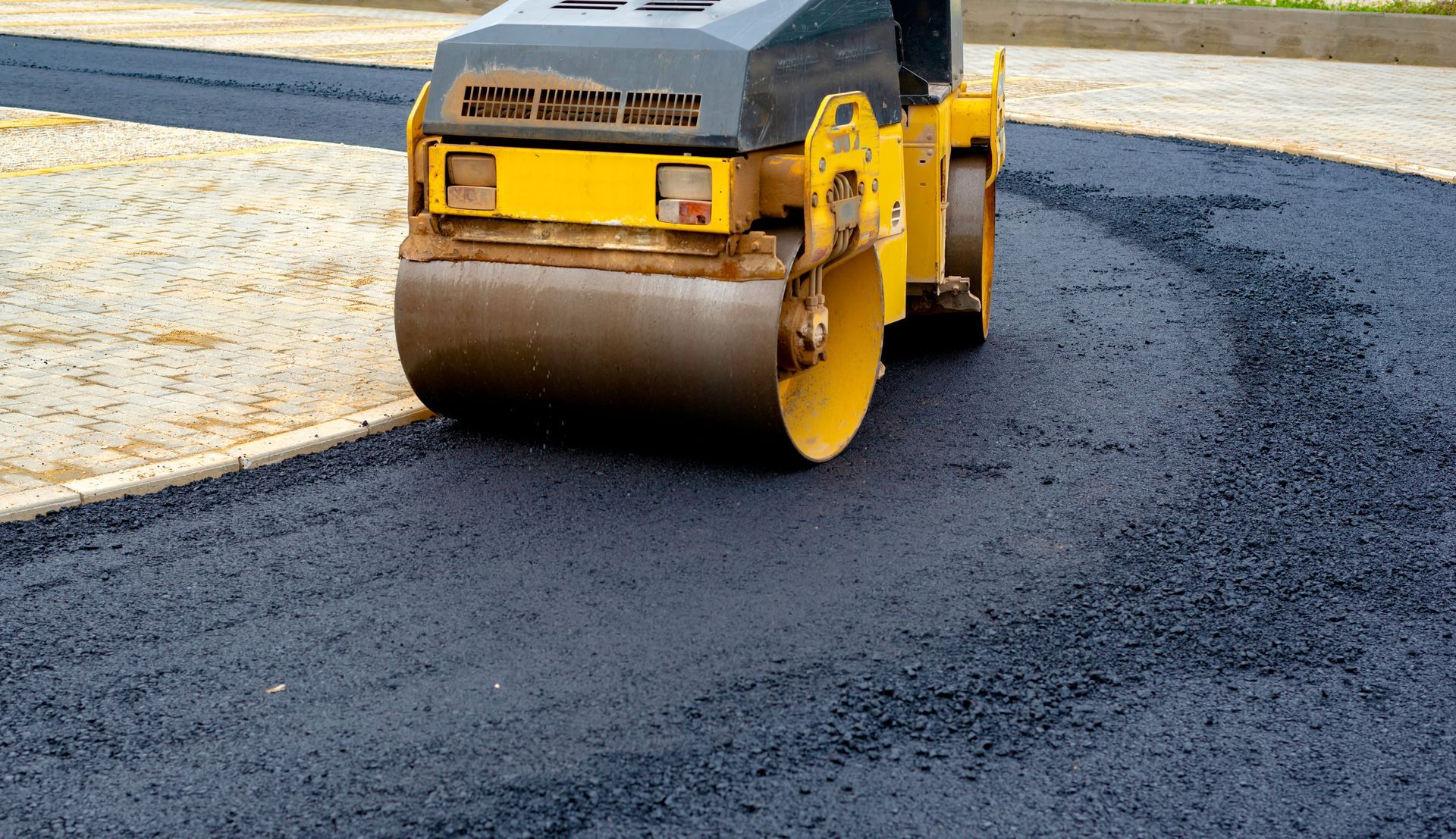
Compaction is another critical step that cannot be overlooked. Loose material allows tires to sink and water to penetrate deeper into the driveway structure. Mechanical compactors compress the base materials to reduce movement and improve load-bearing strength. Without sufficient compaction, even high-quality gravel can quickly become uneven after repeated vehicle traffic.
Geotextile fabric is also commonly used beneath gravel driveways in areas with unstable or muddy soil. This material separates the gravel from the underlying earth while improving drainage and preventing the base from sinking over time. Although it adds to the initial installation cost, it can significantly extend the lifespan of the driveway.
Property owners sometimes attempt quick fixes by adding more gravel over damaged areas, but this rarely solves the underlying problem. If the base remains unstable, new gravel will continue washing away or forming ruts. A professional grading service focuses on correcting the foundational issues instead of only masking visible damage.
Surface Protection
Even a properly constructed driveway requires ongoing attention to remain in good condition. Gravel naturally shifts under vehicle traffic, and changing weather patterns can slowly alter drainage flow over time. Regular maintenance helps preserve the original slope and prevents small issues from becoming major repairs.
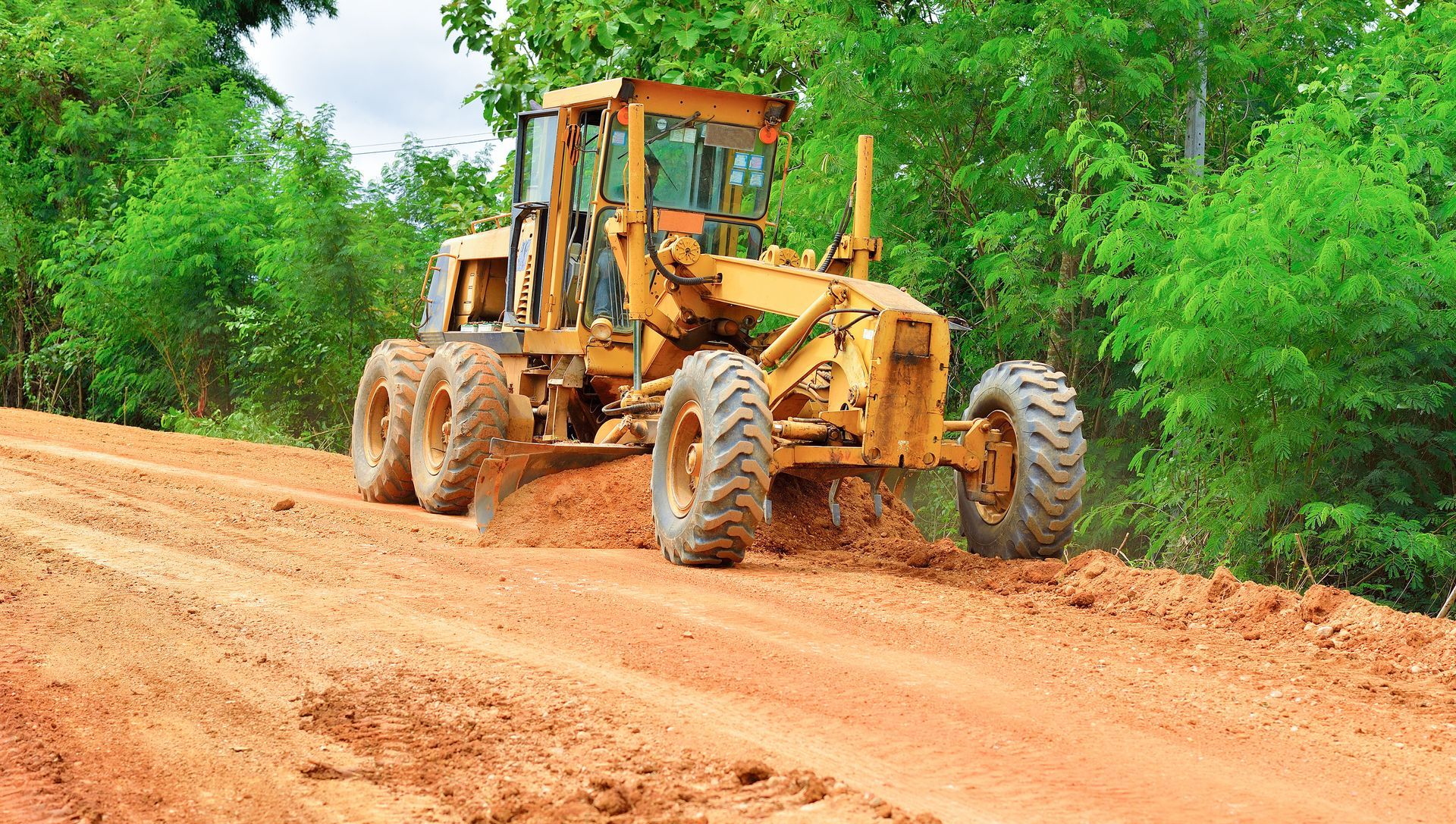
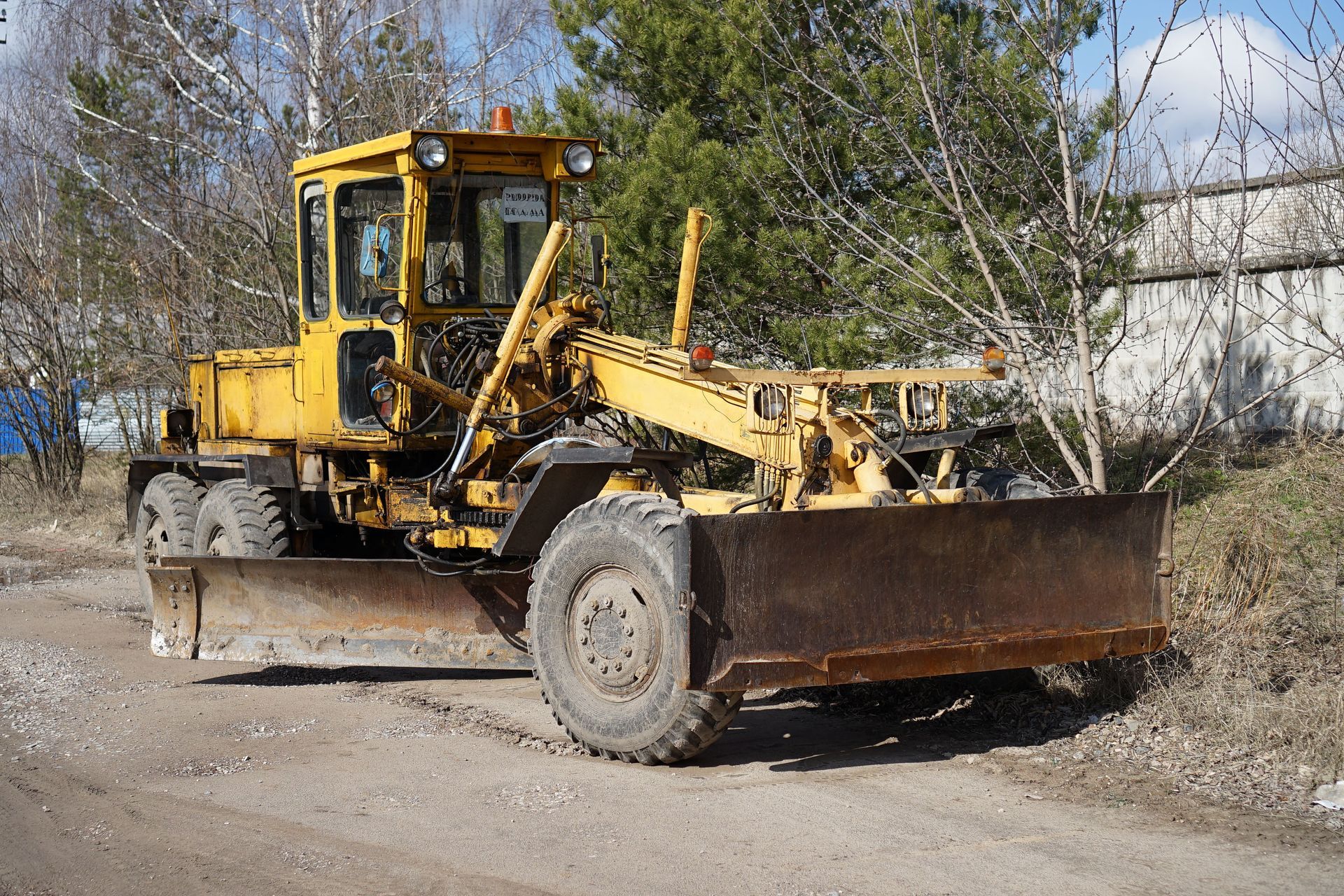
One of the most effective ways to protect a gravel driveway is periodic regrading. This process redistributes gravel evenly across the surface and restores the intended crown or drainage angle. Without regrading, tire tracks may deepen and begin trapping water during storms. Once standing water develops, erosion usually accelerates quickly.
A dependable grading service can identify subtle warning signs before serious washouts occur. Minor depressions, exposed soil patches, and edge erosion may not seem urgent at first, but they often indicate developing drainage problems beneath the surface. Early intervention is usually less expensive than rebuilding large sections of a damaged driveway.
The type of gravel used also affects durability. Rounded gravel tends to shift more easily because the stones do not interlock tightly. Crushed stone with angular edges typically provides better stability and resists displacement during heavy rain. Choosing the appropriate material for the climate and traffic level improves long-term performance.
Seasonal maintenance matters as well. Freeze-thaw cycles can loosen gravel and create soft spots during colder months, while summer storms may increase erosion risk in low-lying areas. Clearing debris from drainage ditches and culverts helps maintain water flow and reduces pressure on the driveway surface.
Traffic patterns can also influence wear. Heavy trucks or equipment repeatedly driving over the same section may compress the gravel unevenly and weaken the base below. In some cases, adjusting traffic routes or reinforcing specific sections can help preserve the driveway’s structure for longer periods.
Professional Evaluation
Every property has unique drainage and soil conditions, which means there is no universal solution for gravel driveway construction. What works on flat terrain may fail completely on sloped or heavily wooded land. Professional evaluation allows contractors to tailor the design according to the specific challenges of the site.
A professional grading service begins by assessing water movement across the property. Contractors study elevation changes, natural runoff patterns, and soil stability before recommending a plan. This evaluation helps determine the ideal driveway slope, drainage features, and base depth needed for reliable performance.
Local climate conditions also influence construction decisions. Areas with frequent rainfall or hurricane exposure often require more aggressive drainage strategies than regions with drier weather patterns. Soil composition further affects how water behaves beneath the surface. Clay-heavy soil tends to retain moisture, while sandy soil drains more rapidly but may shift under pressure.
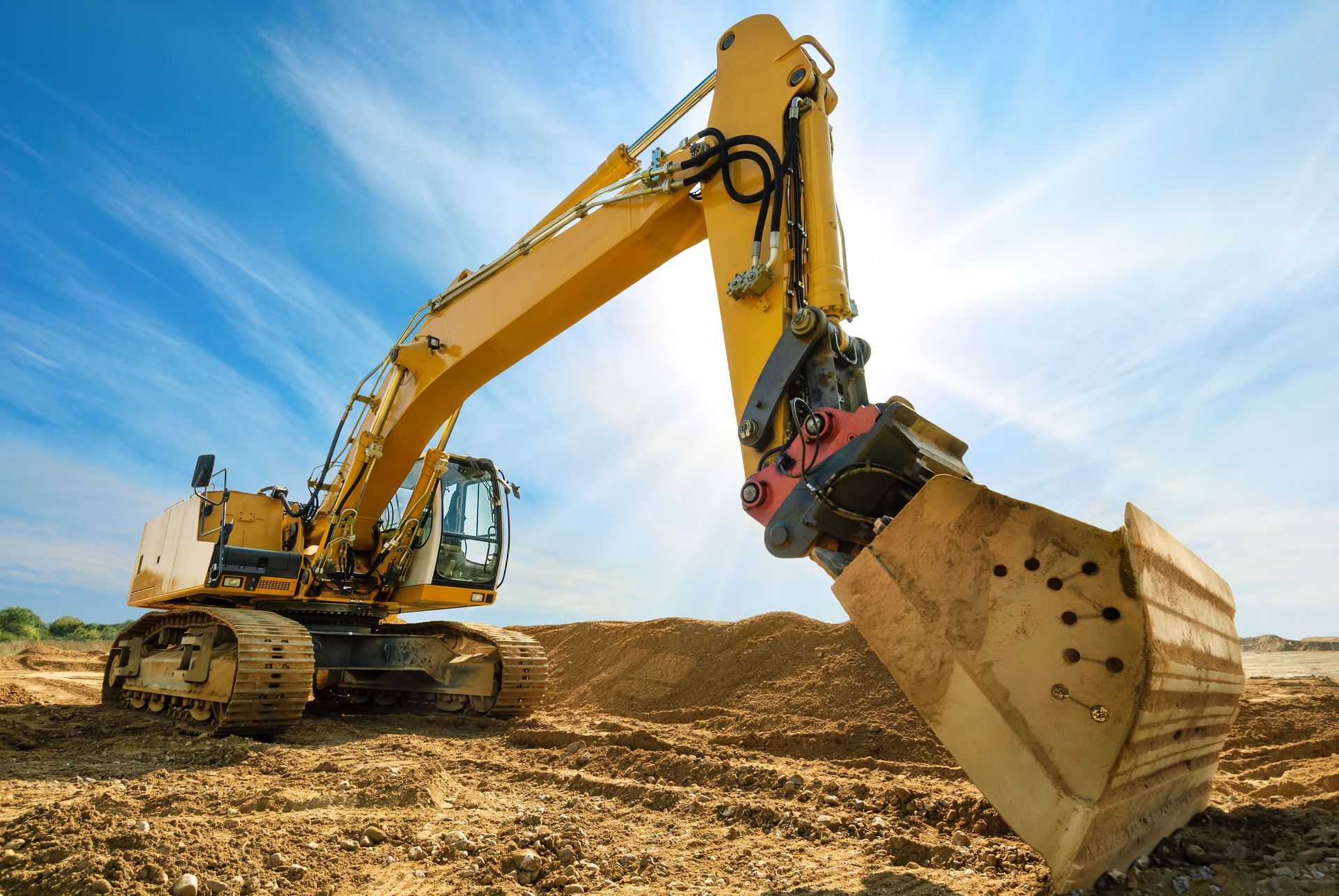
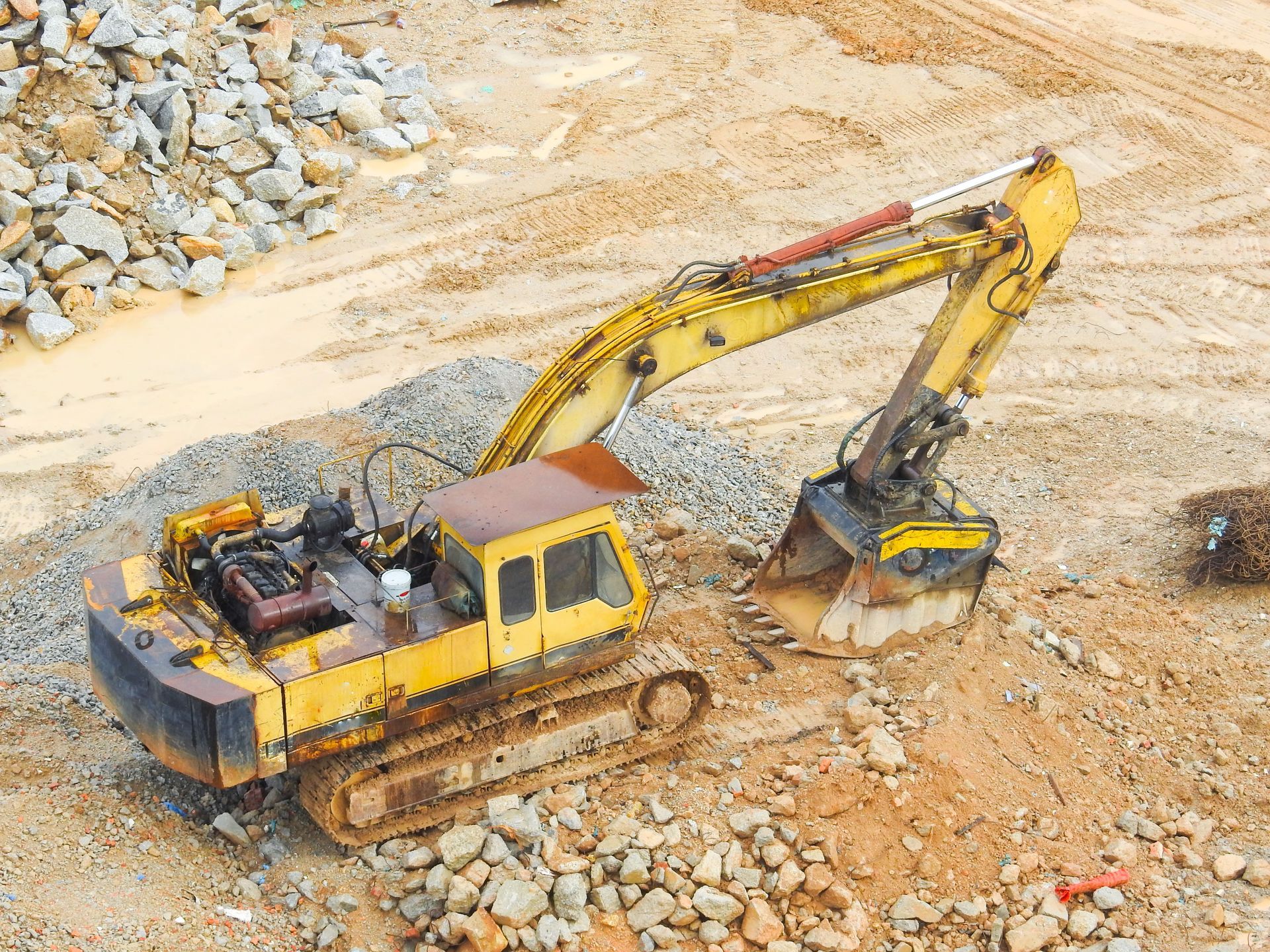
Professional contractors also use specialized equipment that improves precision during installation. Laser grading tools, compactors, and excavation equipment help create consistent slopes and properly compacted layers. Accurate grading reduces weak spots and improves water management throughout the driveway.
Long-term cost savings are another benefit of professional oversight. While proper installation may require a larger initial investment, it usually reduces future repair expenses caused by erosion and washouts. Frequent patching, gravel replacement, and drainage corrections can become far more expensive over time than addressing the issue correctly from the start.
In addition, professionals often identify surrounding landscape concerns that contribute to driveway damage. Poor yard drainage, improperly directed downspouts, or nearby tree roots may all affect driveway stability. Addressing these related issues creates a more complete and durable solution for the property as a whole.
Gravel driveway washouts rarely happen without warning. Poor slope design, weak foundations, inadequate drainage, and neglected maintenance gradually create conditions that allow erosion to take over. Investing in a professional
grading service can help property owners avoid recurring repairs, protect their investment, and maintain safer access to their homes or land.
At Palmetto Clearing & Grading LLC, we understand how important proper drainage and solid groundwork are for a long-lasting gravel driveway. We work closely with property owners to create dependable solutions that reduce erosion and improve durability through every season. Contact us today to learn how we can help protect your driveway with expert site preparation and grading expertise.