June 13, 2026
In the realm of construction, earthwork serves as the foundational process upon which successful projects are built. Mass excavation and fine grading are two integral actions within this process, each serving distinct purposes and requiring specialized knowledge and skill. Professional grading services are essential to ensure these phases are executed seamlessly, safeguarding the structural integrity of buildings, roads, and critical infrastructure.
Understanding the nuances between these methods helps construction teams mitigate risks and avoid costly errors. While mass excavation tackles large volumes of earth to alter landscapes on a grand scale, fine grading involves a precise approach to prepare surfaces for final construction layers.
The Fundamentals of Mass Excavation
Definition and Purpose
Mass excavation involves removing large quantities of soil, rock, or other materials from a site to establish a stable foundation. The primary goal is to prepare the land for major construction, making it essential for setting the stage for further development. Without proper excavation, structures risk being built on unstable ground, which can lead to severe settling or collapse over time.
This process is crucial for large-scale developments such as highways, commercial high-rises, and extensive industrial complexes. By moving the necessary earth in advance, project managers can ensure subsequent phases proceed smoothly without logistical complications. Proper execution optimizes the construction schedule and reduces unforeseen expenses down the line.
Tools and Equipment Used
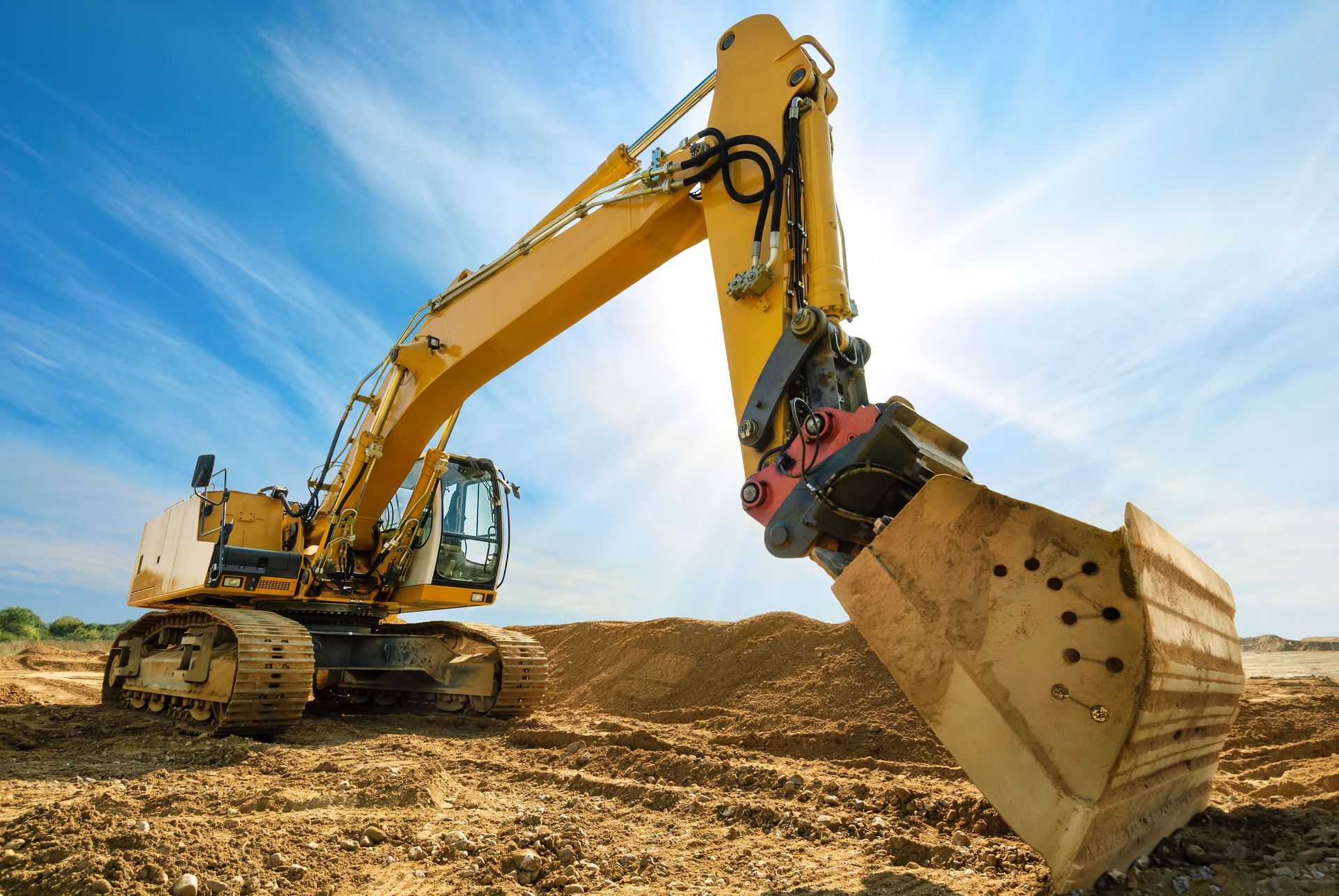
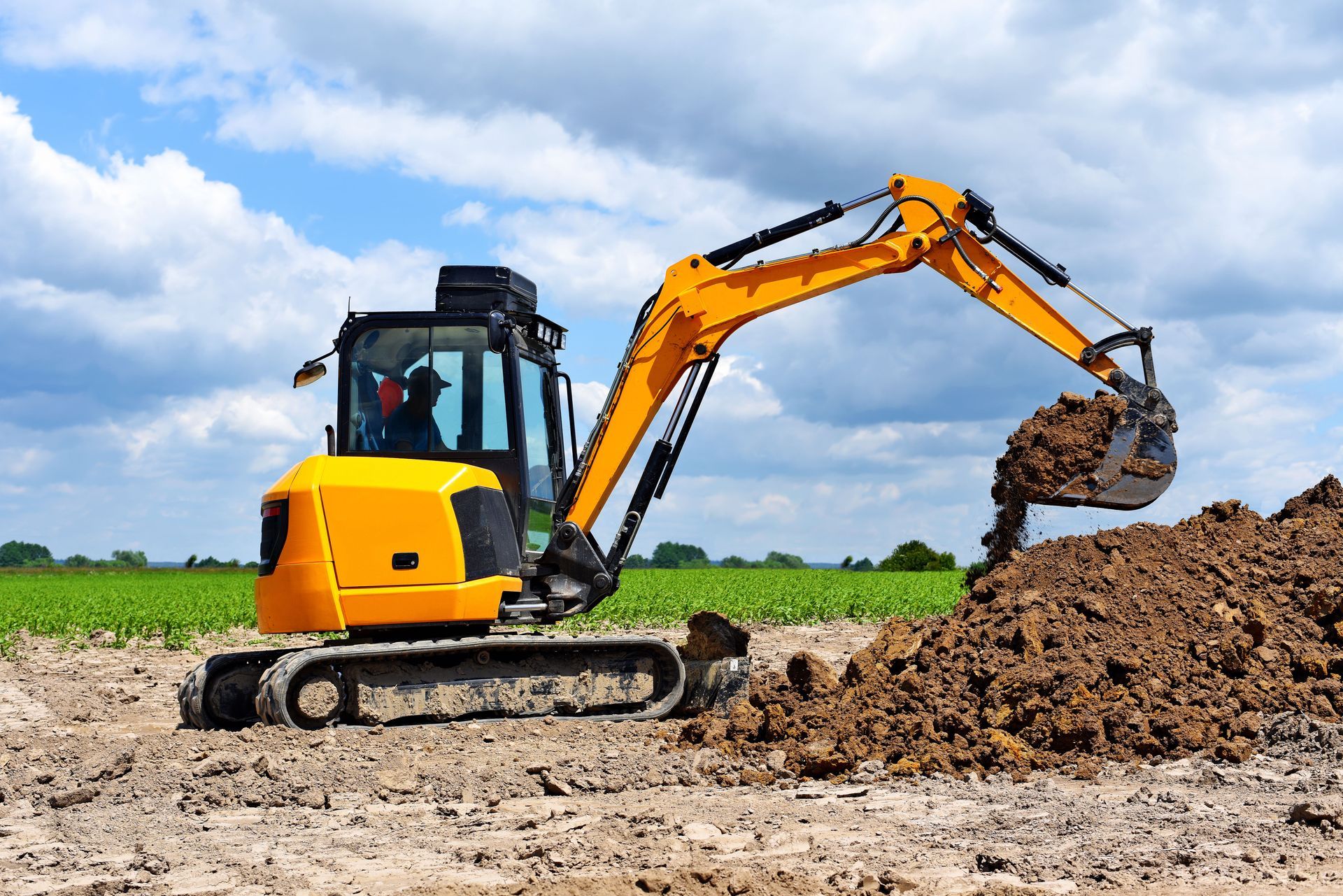
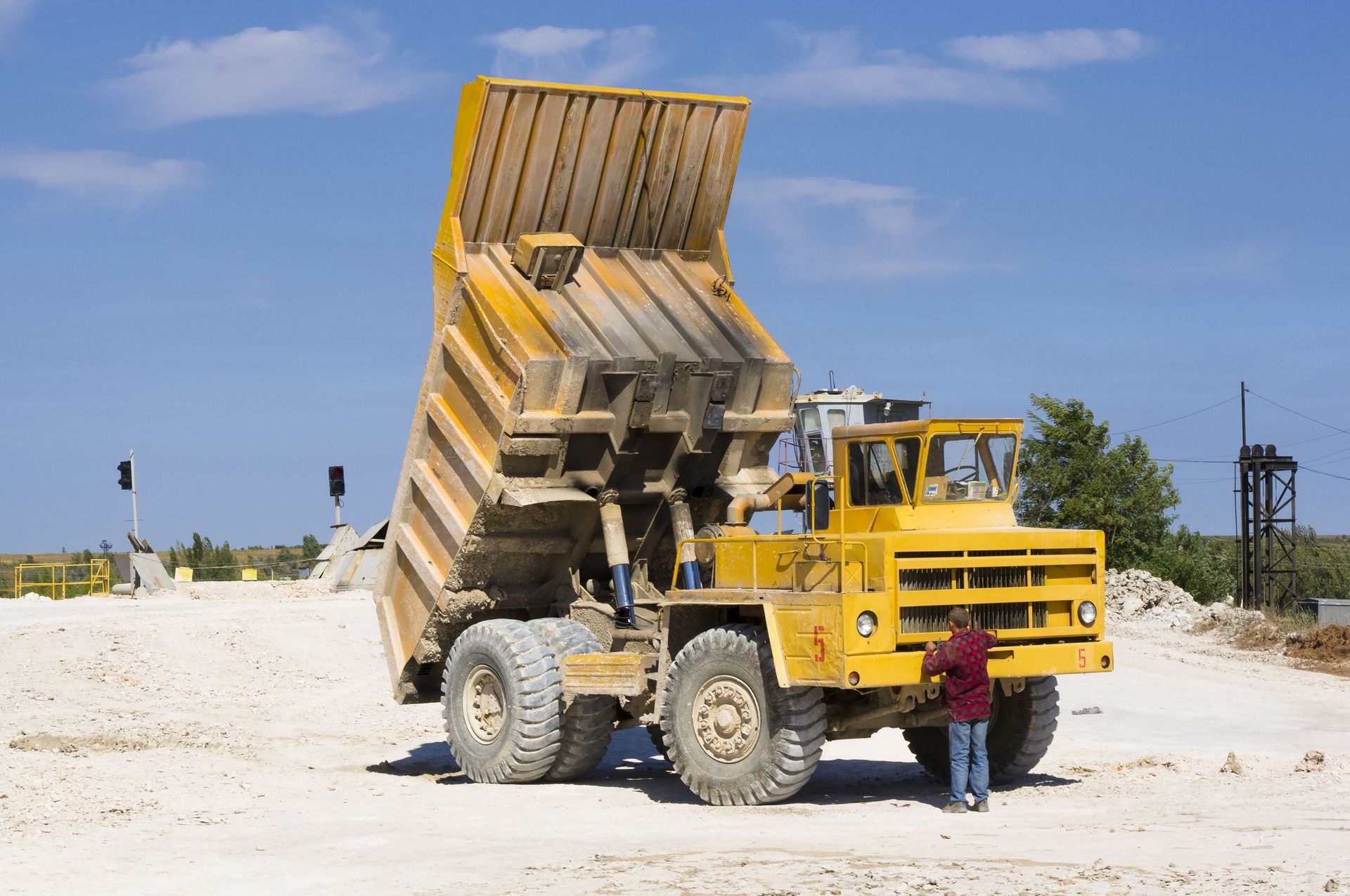
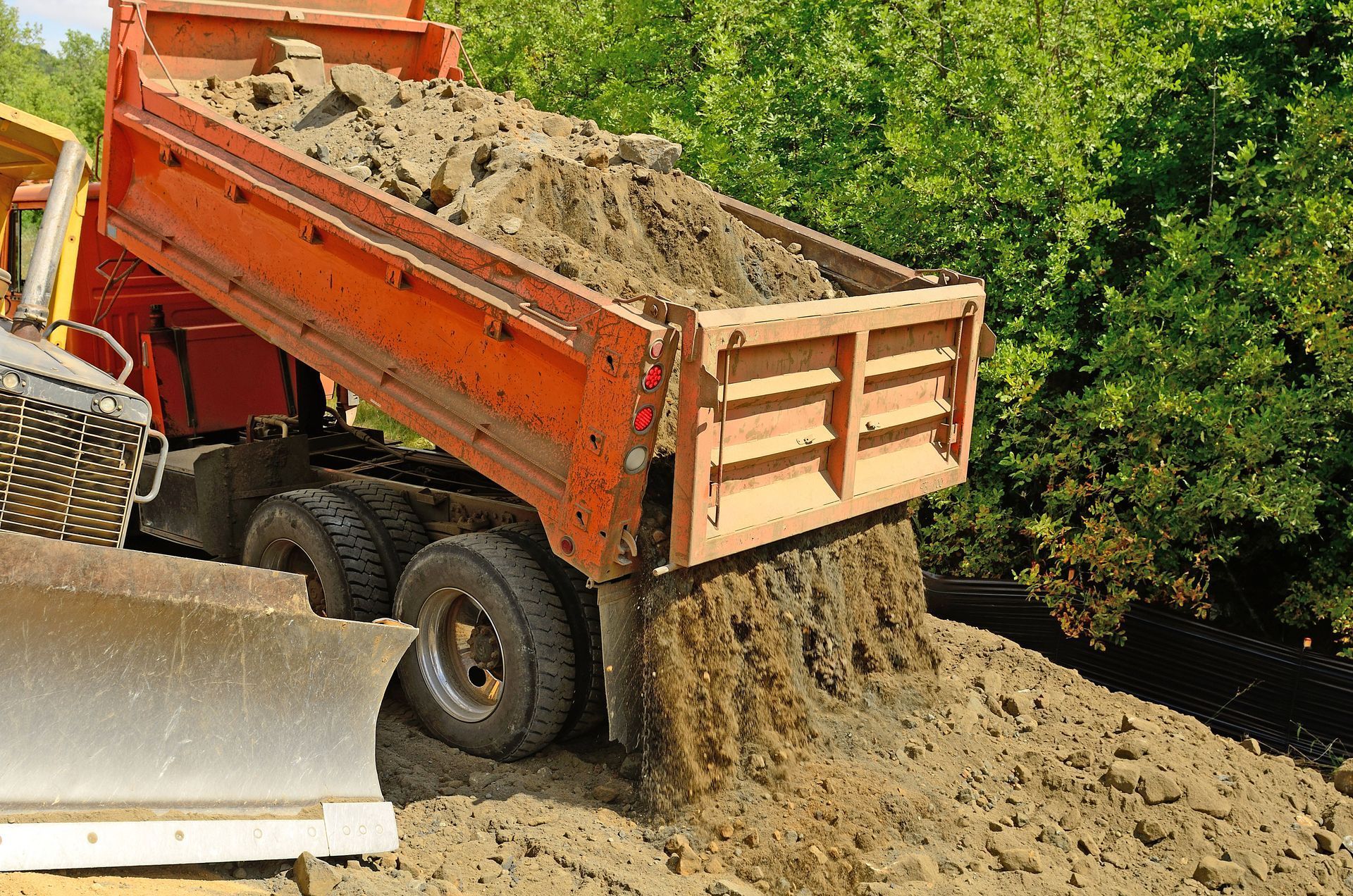
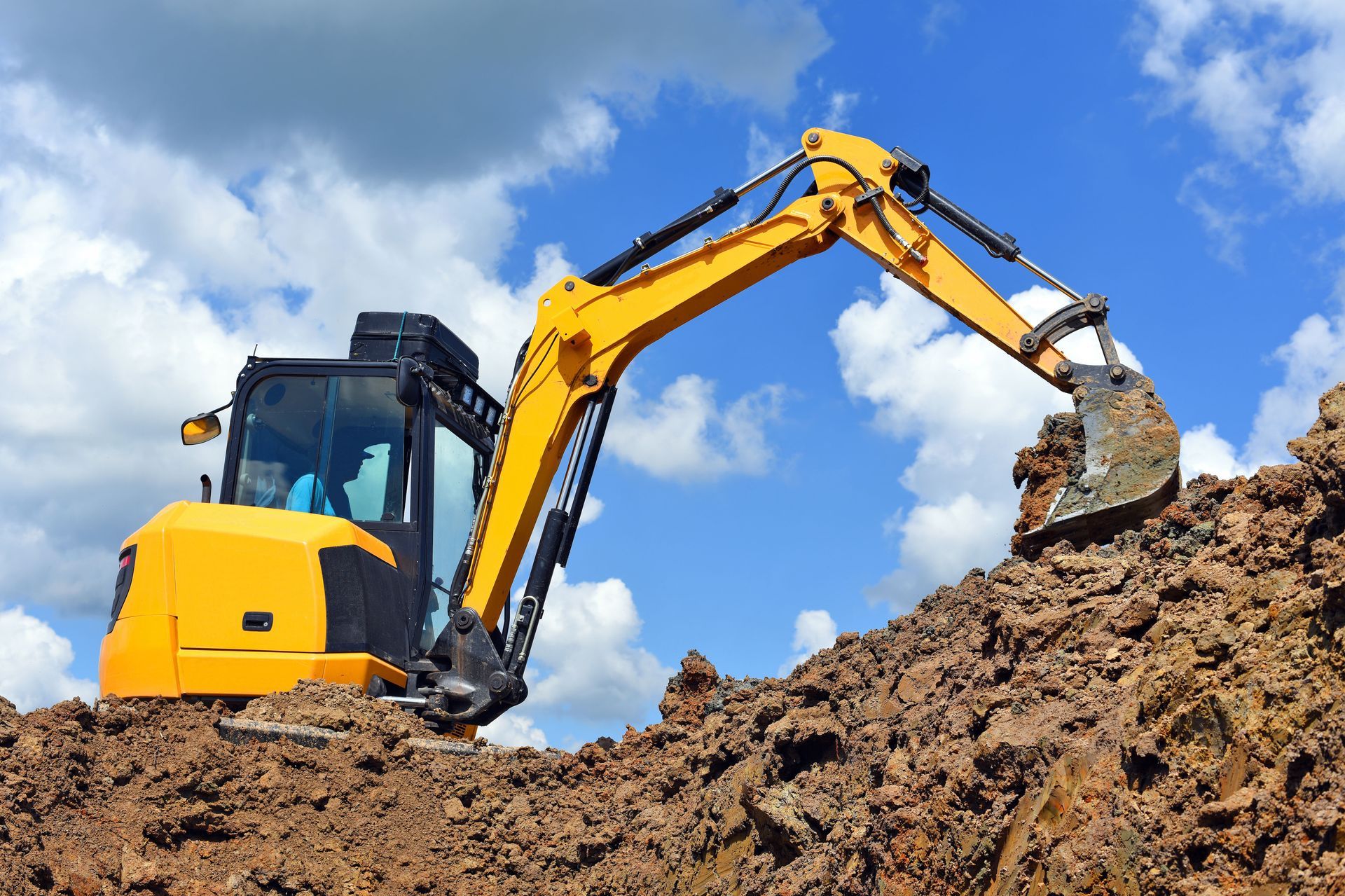
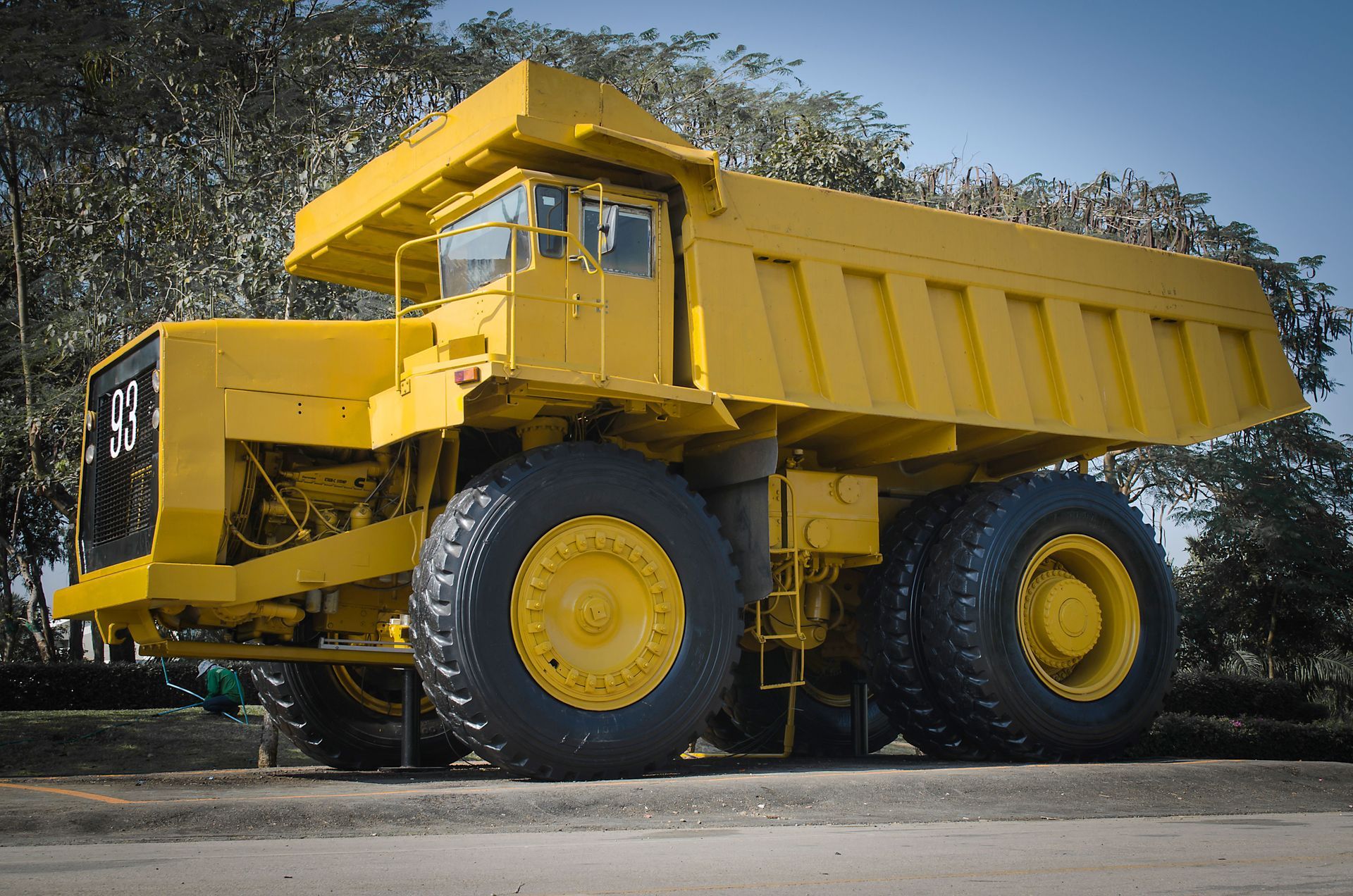
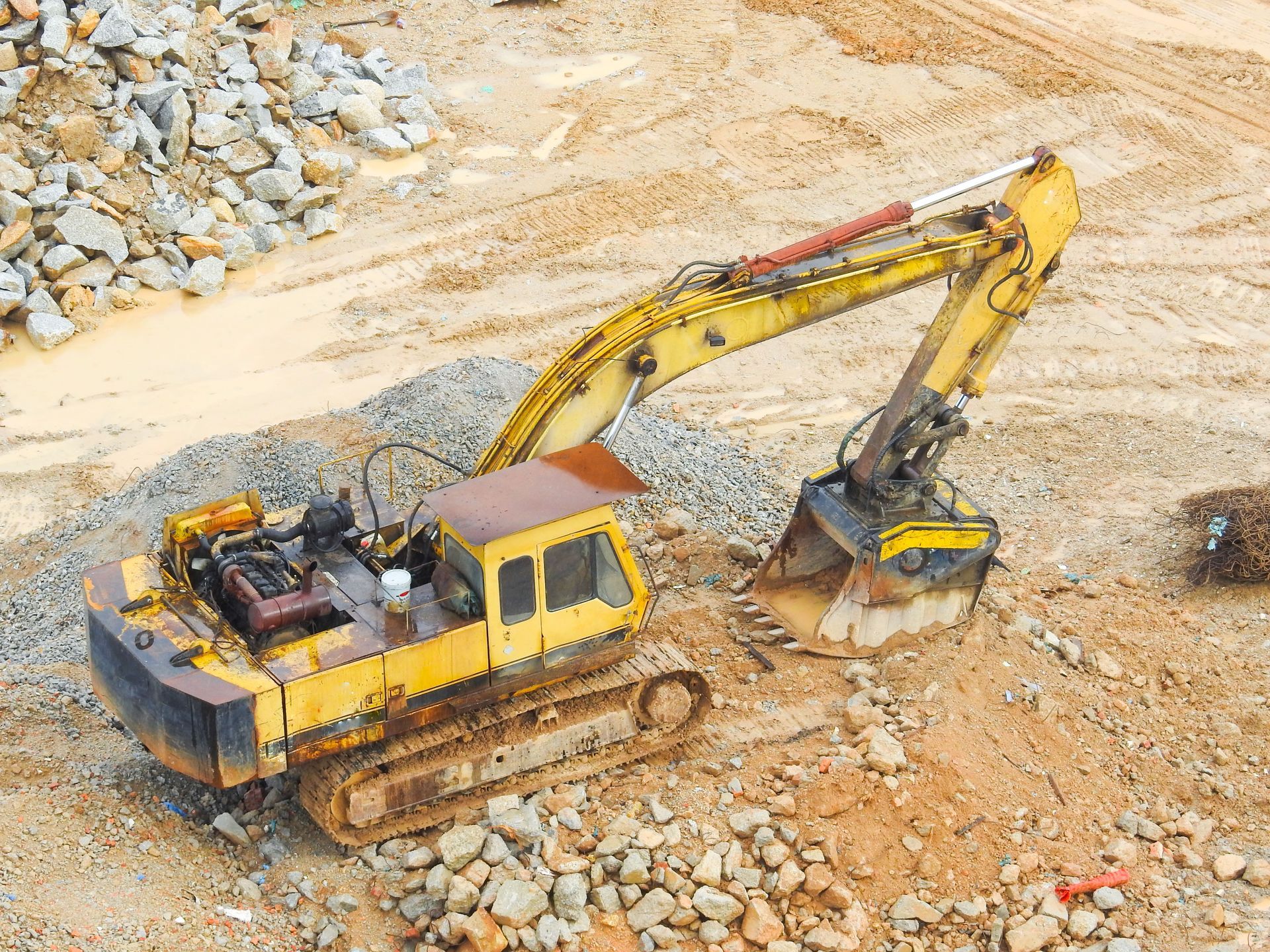
Mass excavation demands heavy machinery tailored to handle extensive soil removal and reshaping tasks efficiently. Typical equipment includes heavy-duty bulldozers, large excavators, backhoes, and articulated dump trucks designed to move massive volumes safely. Each machine plays a specific role, with excavators digging out materials while bulldozers spread and level the earth across the site.
Advanced technology, such as GPS and laser-guided systems, is increasingly integrated into heavy machinery to enhance depth accuracy. These innovations allow operators to maintain precise excavation slopes and minimize the need for costly rework. Selecting the right machinery based on site conditions significantly impacts the project's pace and overall budget.
Challenges and Considerations
The challenges encountered during mass excavation are diverse, ranging from unforeseen underground utilities to sudden shifts in weather. Factors like groundwater presence and soil instability must be analyzed carefully during the pre-construction phase to prevent project delays. Comprehensive site assessments are vital to keep earthmoving operations moving forward smoothly.
Operating heavy equipment also necessitates strict safety protocols and highly skilled operators to mitigate workplace hazards. Potential delays from machinery breakdowns underscore the importance of having backup resources and strong contingency plans. Effective communication among team members ensures these challenges are addressed proactively before they impact the schedule.
The Basics of Fine Grading
Understanding Fine Grading
Fine grading focuses on surface smoothness and precision to prepare a site for final layers like asphalt, concrete, or landscaping materials. Unlike mass excavation, which deals with massive volume, this stage requires meticulous attention to detail on the top layer of soil. Utilizing experienced grading services guarantees that the final elevations conform exactly to the engineering blueprints.
This stage is vital for establishing proper drainage and ensuring optimal load distribution across constructed elements. According to This Old House, Proper yard grading creates a gentle slope away from your home’s foundation, typically around a 5% grade, or about a 6-inch drop over 10 feet, to help prevent water from collecting near the house. Attaining this level of precision prevents long-term moisture damage and protects the property investment.
Key Equipment and Technologies
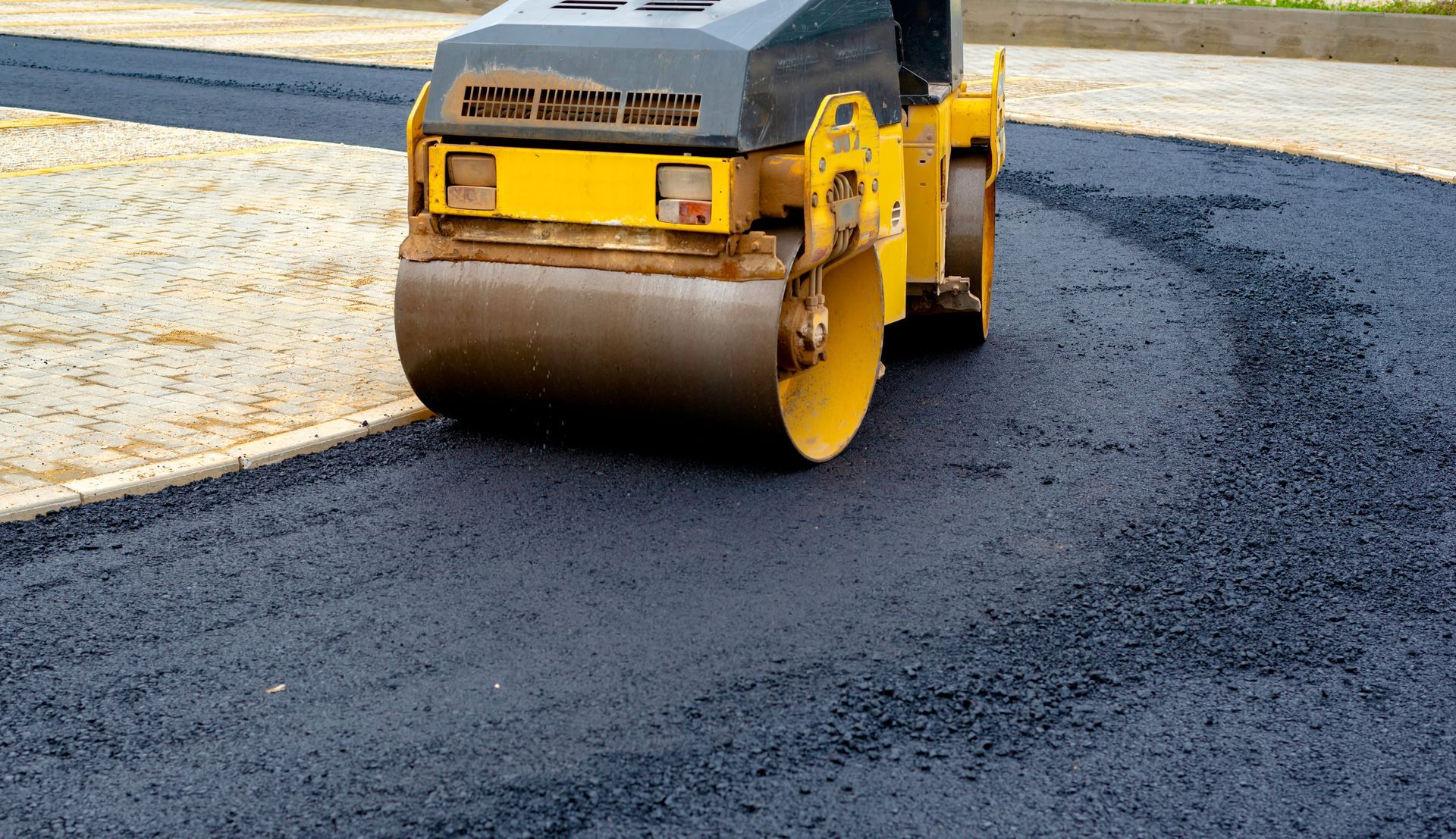
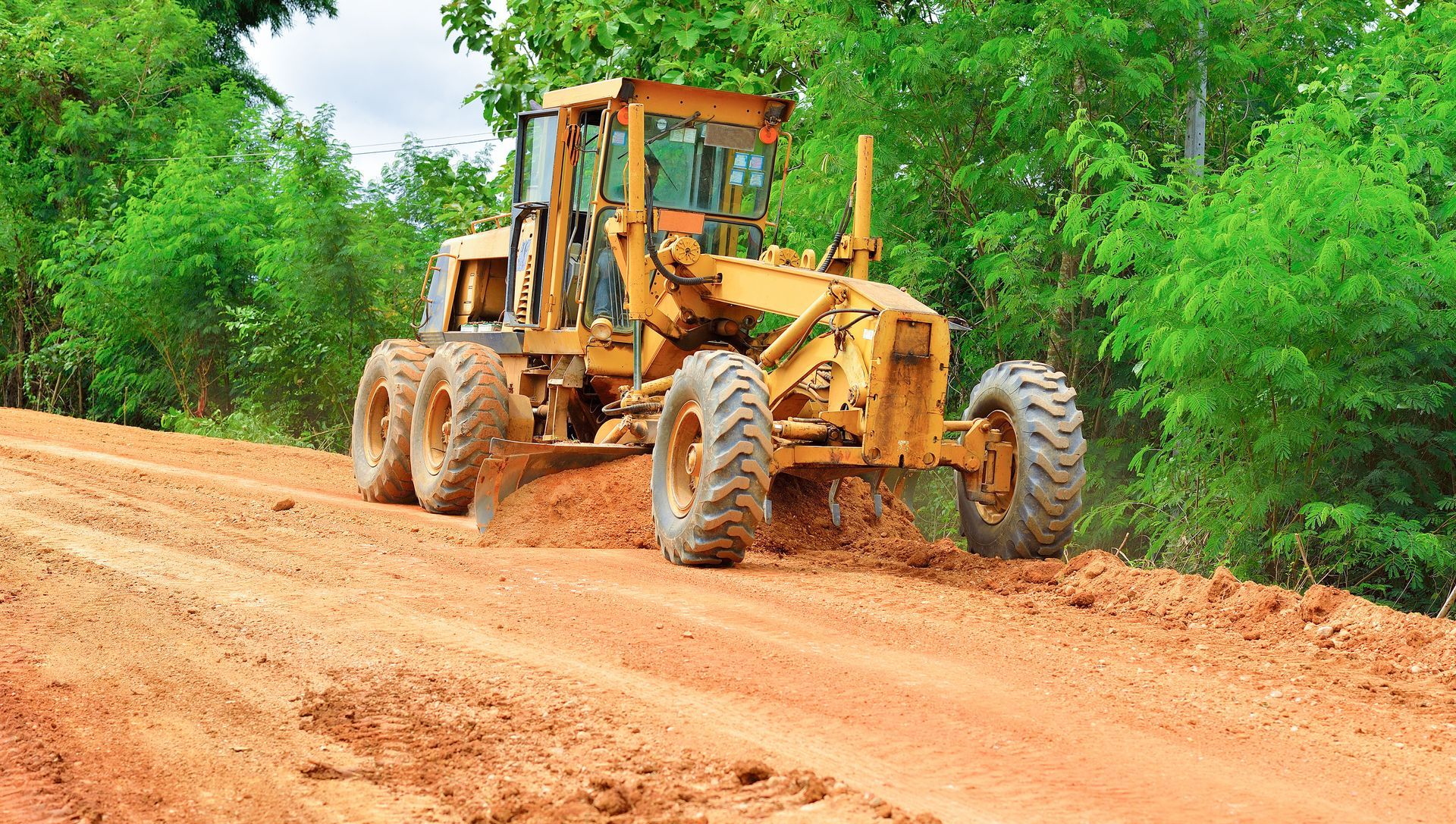
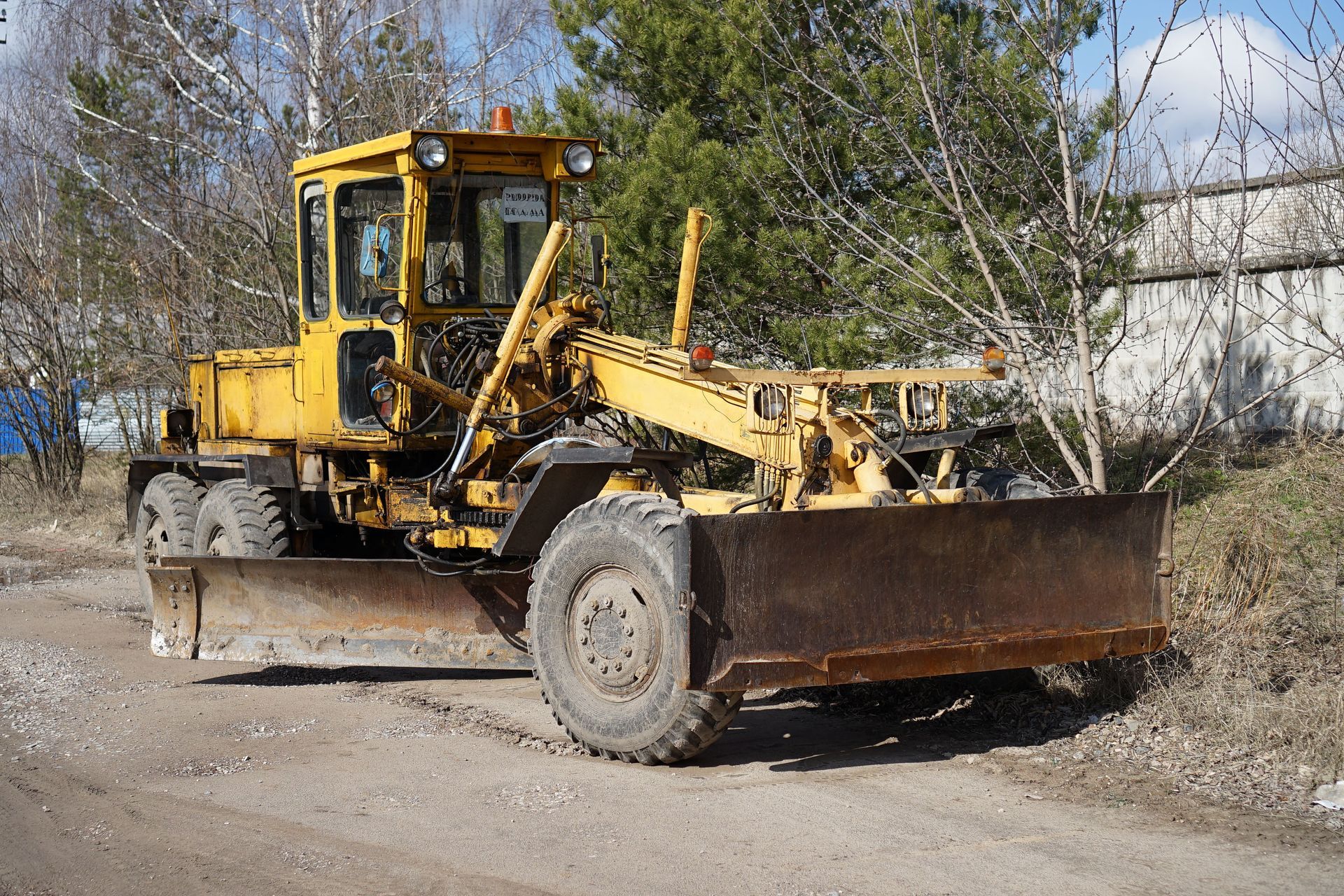
The machinery used in fine grading is engineered for precision rather than moving large volumes of dirt. Motor graders are the primary tools utilized due to their adjustable blades and exceptional maneuverability on flat surfaces. Skid steers and compact rollers are also employed to finalize the compaction and smoothness of the subgrade.
Modern technology has revolutionized this process through automated grade control systems that guide blades using real-time satellite data. These advancements eliminate human error and dramatically reduce the time required for manual staking and measuring. Operators require specialized training to master these advanced systems and achieve near-perfect surface levels.
Precision and Accuracy Challenges
Executing fine grading within narrow tolerances poses distinct challenges that demand a high level of expertise from operators. Environmental variables such as soil moisture content and compaction rates must be constantly monitored to avoid surface shifting. Minor errors at this stage can result in poor drainage and premature pavement failure.
Climate variations further complicate the process, as heavy rain can easily wash away freshly graded topsoil. Project managers must schedule these delicate operations during optimal weather windows to preserve surface integrity. Adapting techniques to unique geological conditions ensures the site meets strict durability standards.
Comparative Analysis: Mass Excavation vs. Fine Grading
Cost Implications and Efficiency
The cost dynamics between mass excavation and fine grading reflect their differing operational priorities and equipment requirements. Mass excavation incurs high initial costs due to the massive fuel consumption and mobilization of heavy earthmoving fleets. Budgeting for this phase requires careful calculation of volume metrics and bulk material transport fees.
On the other hand, the expenses in fine grading stem primarily from the specialized equipment technology and skilled labor hours required. Investing in precision grading services upfront prevents material waste during the subsequent paving or concrete pouring stages. Ultimately, both phases must be balanced within the budget to maximize overall project efficiency.
Timeframes and Project Schedules
Timeframe considerations underscore the importance of strategic scheduling when managing comprehensive earthwork operations. Mass excavation requires significant lead times and must be entirely completed before any structural work begins. Delays during bulk digging can cause a cascading effect that disrupts the entire project timeline.
Fine grading follows immediately after excavation, creating a tight transition that requires careful coordination. While it covers less physical depth, the precision work involved can be time-intensive due to constant measurement checks. Maintaining a seamless flow between these two steps keeps the project moving toward timely completion.
Skill Sets and Workforce Requirements
The execution of these two earthwork phases demands distinct skill sets from the construction workforce. Mass excavation relies on heavy equipment operators who excel at handling large machines safely under strenuous conditions. Their primary focus is spatial awareness, bulk production efficiency, and maintaining slope safety across deep cuts.
Conversely, fine grading requires technical operators who possess a keen eye for detail and data interpretation. These professionals must understand how to read grading plans and manipulate automated control systems to achieve exact elevations. Relying on certified grading services ensures that qualified personnel handle these technically demanding tasks.
Safety Protocols and Risks
Safety remains paramount across both excavation and surface preparation, though each phase presents unique site hazards. Mass excavation involves deep trenches, heavy haul vehicles, and cave-in risks that demand strict compliance with OSHA regulations. Implementing proper shoring and regular bank stabilization checks is critical to protecting ground crews.
Fine grading presents risks related to working in proximity to existing structures, utility lines, and support vehicles. Operators must maintain constant vigilance regarding ground crew locations and changing surface traction conditions. Comprehensive safety training and daily equipment inspections significantly reduce the likelihood of onsite accidents.
Mass excavation and fine grading represent two sides of the same coin, both vital to construction longevity. While mass excavation shapes the primary landscape, fine grading refines the surface to ensure proper water management and structural balance. Skipping or rushing either phase compromises the safety and durability of the entire development.
To achieve the best results, project owners should utilize professional
grading services capable of managing both large-scale earthmoving and precision finishes. Seamless coordination between these distinct disciplines guarantees a stable foundation that stands the test of time. Investing in proper earthwork practices remains the ultimate prerequisite for any successful building endeavor. For more information, contact Palmetto Clearing & Grading LLC.